The Industrial Phase-Transfer Catalysis Experts

PTC Tip of the Month E-Newsletter

Sometimes TBAB is Just a Source of Organic-Soluble Bromide

The procedure for the reaction shown in the diagram does not contain any base (first step in Example 2 in the patent). The reaction is performed by simply mixing acetic acid, epichlorohydrin, catalytic tetrabutylammonium bromide and heating to 90 C for 10 hours. The procedure does not specify if there is more than phase before starting the reaction but we assume that it is a homogenous single phase.

There doesn’t appear to be a leaving group or salt that accumulates and the bromide is just a catalyst. The only role of the tetrabutylammonium appears to be to solubilize the bromide in the organic phase.

The mechanism is assumed to consist of the bromide attacking the epichlorohydrin to form the short lived bromochloropropoxide anion (tetrabutylammonium as the cation), which is so basic that it would rip off the proton for the acidic acetic acid. This would form tetrabutylammonium acetate and the acetate should be a good nucleophile that would displace the bromide (better leaving group than chloride) to form 3-chloro-2-hydroxypropyl acetate. TBAB is regenerated for another catalytic cycle upon the liberation of the bromide.

If this speculated mechanism is correct, then this in not a phase-transfer catalysis reaction. It is simply a reaction that is catalytic with respect to the bromide ion and the role of the tetrabutylammonium cation is to keep the bromide in the organic reaction phase.

We welcome comments by our readers if you have better ideas about what is occurring in this reaction.

By the way, the excess acetic acid appears to be removed from the reaction mixture product by water wash during workup. However, we would be surprised if the TBAB is very soluble in the aqueous phase during workup since they used saturated NaCl for the water wash. When one wants to removed TBAB from a reaction mixture during workup, it is best to use water with no ionic strength to avoid salting out of the TBAB from the aqueous phase.

When your company needs expertise in removing quat salts from reaction mixtures during workup, now contact Marc Halpern of PTC Organics to benefit from highly specialized expert consulting for separating the phase-transfer catalyst from the product as we teach in detail in our 2-day course “Industrial Phase-Transfer Catalysis.”
Drying Hexaethyl Guanidinium Chloride (HEG Cl) Before Use

Hexaethyl guanidinium chloride “HEG Cl” is a phase-transfer catalyst used in high-temperature PTC applications that require a thermally stable catalyst, typically at temperatures of 100 C to 220 C. Common quaternary ammonium phase-transfer catalysts are not stable at those temperatures, especially above 130 C, which is often required for many nucleophilic aromatic substitutions. Dr. Dan Brunelle led the team at General Electric in the 1990’s that patented many polymerizations using HEG Cl for nucleophilic aromatic substitutions to produce engineering thermoplastics.

When high temperature is required to perform a reaction, anything that can be done to reduce the energy of activation is desirable. In high-temperature PTC reactions that use HEG Cl, reducing hydration of the reacting anionic nucleophilic to very low levels, sometimes below 10 ppm, can be crucial to achieve reactivity.

US Patent 11,279,692 that was issued this month, invented by Thomas Guggenheim et al (a veteran of GE/SABIC Global Technologies), describes in Method 1E., the following procedure to dry HEG Cl before use. It is important to note that the manufacturing process for HEG Cl produces this phase-transfer catalyst as a mixture of HEG Cl, NaCl and water. That is why the dried product contains sodium chloride.

“A 2-liter, single-necked, round-bottomed flask was charged with 100 g of an aqueous solution containing 30.0 g of HEGCl and 14 g of sodium chloride, and 800 mL of toluene. The mixture was then placed on a roto-evaporator, equipped with a hot oil bath to heat the flask, and plumbed to a cold trap connected to a vacuum pump. The flask was rotated in the hot oil bath (temperature controlled at 110.degree. C.) and the solvent was removed under reduced pressure (<30 mm). Once the majority of the toluene/water had been removed, the flask was allowed to rotate in the oil bath at 130.degree. C., 25 mm, for 60 minutes, to afford a dry solid HEGCl/NaCl, free of toluene and water. The solid was transferred to a glove box inerted with dry nitrogen.”

When your company needs to optimize the choice of phase-transfer catalyst to achieve low-cost high-performance green chemistry, now contact Marc Halpern of PTC Organics to benefit from highly specialized expertise in industrial phase-transfer catalysis.

Large Scale PTC Petrochemical Application Closer to Commercialization

Note: This post contains publicly available information and is NOT a solicitation for investment.

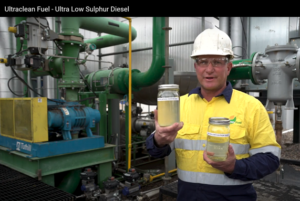
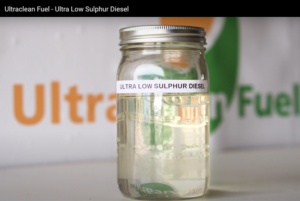
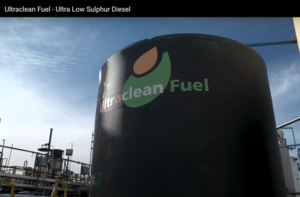
Ultraclean Technology, an Australian company, has developed technology for cleaning fuels using phase-transfer catalysis. Ultraclean is one step closer to commercialization with the signature of a memorandum of understanding with a North American company for a 15,000 barrel per day processing plant using the patented Ultrex® process. More information at https://www.ultracleantechnology.com.au/technology.

The Ultrex® process significantly reduces sulfur across a wide range of hydrocarbons – including diesel, marine fuels, lubricating oils and gas oils – core transportation fuels required to keep the global economy moving. The process outperforms existing desulfurization technologies, combining competitive capital and operating costs with a 50% lower carbon footprint; optimally managing the transition to a zero carbon world. Ultraclean and PTC Organics Inc. co-developed the Phase Transfer Catalyst that is crucial to this unique process, achieving an extremely high efficiency for the Oxidative Desulfurization (ODS) process – converting sulfur-containing hydrocarbons to benign sulfones, which are readily extracted to produce high quality fuels. Due to the simplicity of Ultraclean’s patented technology, it can be rolled out to refineries, terminals or tank farms; broadly exploiting market opportunities and maximizing commercial returns to clients.

The International Maritime Organization (IMO) required a step change of 85% reduction of sulfur content in diesel fuel used in container ships by January 1, 2020. Ultraclean’s Ultrex ® process uses phase-transfer catalysis to meet that requirement. About 90% of world trade is transported by sea and shipping is seen as one of the most challenging sectors to bring into environmental compliance.

Current transportation fuels will continue to be used for decades and the Ultrex ® is ready NOW to improve environmental performance and meet regulatory requirements. We all hope to see in our children’s lifetimes economically feasible and safe hydrogen engines or ammonia engines for transportation. However, until the hydrogen/ammonia engine technology is developed as economically feasible and the world’s transportation engines and energy storage tanks retrofitted, the world needs clean fuels NOW.

A 1,000 barrel per day pilot plant operated in New Mexico and proved this concept on scale. A short video showing the plant in operation can be viewed at https://www.youtube.com/watch?v=pVRA0uogvwk.

Disclosure: Marc Halpern is one of many accredited investors who invested personal capital in Ultraclean Technology. Marc is also one of the inventors on Ultraclean’s patents, performed as work-for-hire. Marc describes his capital investment in Ultraclean starting at the 14:50 mark in the video shown at https://www.youtube.com/watch?v=GZz-77Cs-cs.

Ultraclean Technology is an Australian unlisted public company. No action has been taken to register or qualify the Securities, or the Offers, or otherwise to permit the offering of the Securities, in any jurisdiction outside of Australia. Specifically in the case of the United States, investors need to be advised that the Shares offered will only be made available in the United States to qualified institutional buyers (as defined in Rule 144A under the US Securities Act) or accredited investors (as defined in Rule 501(a) under the US Securities Act) in transactions that are exempt from the registration requirements of the US Securities Act.

If you are an accredited investor and want more information on Ultraclean Technology, please contact Ultraclean directly using the form at https://www.ultracleantechnology.com.au/contact.

Please note that this is NOT a solicitation of investment. This is an informational notice for those who want more information about Ultraclean Technology.

50 Years of “Phase-Transfer Catalysis”

The term “phase-transfer catalysis” was coined by Dr. Charles Starks in his classic paper Starks; C., J. Amer. Chem. Soc., 1971, 93, 195, that is one of the most highly cited papers in organic chemistry.

In this paper, Dr. Starks described the extraction mechanism which has served as the basis for PTC for the past half century. Starks published outstanding supporting kinetic evidence for the extraction mechanism including: Starks; C., Owens; R., J. Amer. Chem. Soc., 1973, 95, 3613.

The extraction mechanism was supported by additional excellent classic kinetic studies published in the 1970’s by Landini (for example: Landini; D., Maia; A., Montanari; F., J. Amer. Chem. Soc., 1978, 100, 2796), by Herriott and Picker (for example: Herriott; A., Picker; D., J. Amer. Chem. Soc., 1975, 97, 2345) and others.

Starks’ classic patent took another few years to be issued and it described more than 50 examples of PTC for nucleophilic substitutions with a variety of inorganic nucleophiles, alkylations at acidic C-H, N-H, O-H and S-H groups, oxidations, reductions and other PTC reactions: Napier, D.; Starks, C.; (Conoco) 1976, U.S. Patent 3,992,432.

Excellent books on PTC were published by Charles Starks and Charles Liotta in 1978 (Academic  Press), by Eckehard Dehmlow and Sigrid Dehmlow in 1980 (Verlag Chemie), by Yuri Goldberg in 1992 (Gordon and Breach), and the classic authoritative best selling book by Charles Starks, Charles Liotta and Marc Halpern in 1994 (Chapman and Hall).

Professor Makosza coined the term “catalytic two-phase systems” and his first paper was in 1966 that described synthetic organic C-alkylations using quaternary ammonium salts (Makosza; M., Serafinowa; B., Rocz. Chem., 1966, 39, 1401). Makosza later described an interfacial mechanism to qualitatively explain his results. Unlike Starks’ documentation, Makosza did not publish comprehensive underlying kinetic fundamentals for the interfacial mechanism.

When I joined Dow Chemical in 1984, I found an internal report by Henry (Hank) Hennis that described the extraction mechanism in 1957 but it was not published outside of Dow, apparently thinking that it was too valuable to disclose. Hank was a great guy and a great scientist. In 1987, I organized an internal PTC conference at Dow since PTC was used in very large commercial applications in polymers (e.g., epoxy resins), pharmaceuticals and agrochemicals that in total made products with sales volume of more than half a billion dollars per year. Since then, some of those products were discontinued, such as chlorpyrifos, that was produced in a large scale PTC process for which I provided plant support. I wrote a summary of Industrial PTC that was published in Ullmann’s Encyclopedia of Industrial Chemistry 2002 (Wiley-VCH).

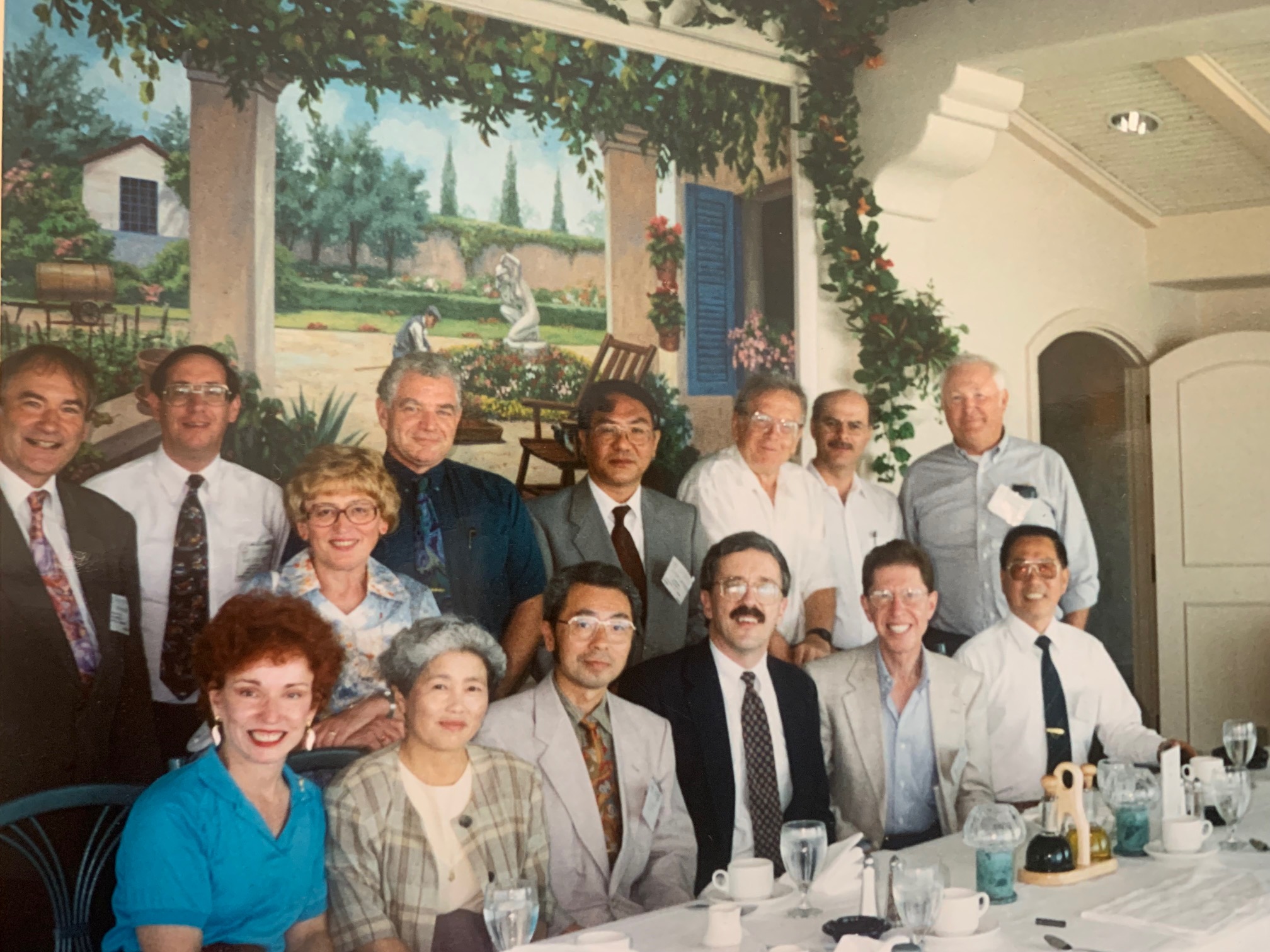
Several public international conferences on phase-transfer catalysis were conducted with 10 or more leaders of early phase-transfer catalysis in Boston (1990), Honolulu (1995 & 2000) and Nagoya (1997). The picture shows the PTC leaders who spoke at the Pacifichem PTC session in 1995. The participants shown are from left to right: Top Row – Eckehard Dehmlow, Marc Halpern, Sigrid Dehmlow, Yoel Sasson, Tadatomi Nishikubo, Mieczyslaw Makosza, Renee Roy, Charles Starks; Bottom Row –Maryann Liotta, Mrs, Shioiri, Takayuki Shioiri, Martin O’Donnell, Charles Liotta, M. Wang.

On a personal note, I (Marc Halpern) ran my first successful PTC reaction in 1976 and I did my Ph.D. thesis research on phase-transfer catalysis at the Hebrew University of Jerusalem under the supervision of Mordecai Rabinovitz and Yoel Sasson. I wrote my first client-private study on industrial PTC for Catalytica in 1988 and a comprehensive private PTC market report for a client in 1996. I published and distributed 16 print issues of the journal Industrial Phase-Transfer Catalysis starting in 1994 and I have published the PTC Tip of the Month e-newsletter every month since October 2002 (except one month when my father was in the hospital) that contains the PTC Tip of the Month, the PTC Reaction of the Month and the PTC Catalyst of the Month. I have provided PTC lectures and services on site in nearly 300 R&D departments in 39 countries and I conducted the 2-day course “Industrial Phase-Transfer Catalysis” in 58 cities in the US, Europe and Asia (plus one on Zoom).

Phase-transfer catalysis has been my passion, second only to family, for 45.5 years and I intend to continue these PTC activities to the day I die.

My current biggest project is the commercial PTC desulfurization of fuels described at https://www.ultracleantechnology.com.au/.


NaH/DMF Is More Than Cringeworthy…It Is Extremely Dangerous

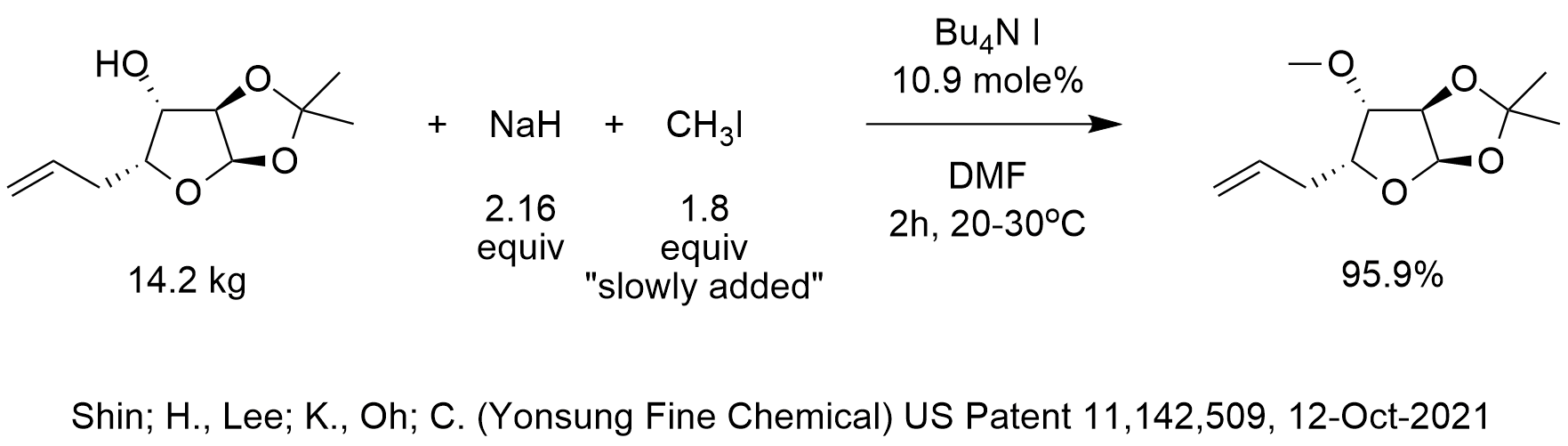
We have never had such an energetic response to the PTC Tip of the Month as we had last month from you, our PTC community audience. Several of you, including Peter Wuts, Danny Levin and Radi Awartani, sent references and even full articles that describe the explosive consequences of mixing sodium hydride with solvents such as DMF, DMSO and DMAc on scale. You were shocked that the simple etherification reported in US Patent 11,142,509 used NaH/DMF on a 14 kg scale.

Peter Wuts (of protecting group fame https://petergmwuts.com/) highlighted the very important article at Org. Process Res. Dev. 2019, 23, 2210. This alarming article reported detailed investigations into the thermal stability of mixtures of NaH with DMF, DMSO and DMAc and studies of the formation of gaseous products from their thermal decomposition.

If you EVER consider using NaH on scale, it is imperative that you read this article before running your first reaction. The introduction in this article will scare you. Then the ARC and DSC data provide the basis for realizing how close you may have been disaster in your career until now. Figure 6 shows pictures of the ruptured Hastelloy C ARC cell and the displaced ARC reactor housing resulting from the cell explosion when testing 4.5 g NaH/DMSO. One look at Figure 6 will cause you to lose sleep if you read the procedure described last month that used 3.68 kg NaH in 71 liters DMF with 14.2 kg of alcohol that was O-methylated.

Danny Levin pointed out that Bretherick’s Handbook of Reactive Chemical Hazards flags NaH/DMF as unpredictably explosive. Danny authored a 70-page chapter on scale up safety entitled “Managing Hazards for Scale Up of Chemical Manufacturing Processes” in ACS Symposium Series Volume 1181 (2014). It is highly recommended that you obtain this chapter even if you think you had all the safety training you need. If you have done a reaction with NaH/DMF, you could still benefit from Danny Levin’s chapter.

Radi Awartani cited an article from Johns Hopkins Lab Safety warning about the safety issues of NaH with DMSO and DMF: https://labsafety.jhu.edu/2019/08/22/sodium-hydride-decomposes-certain-solvents-violently/

We greatly appreciate the input of our loyal knowledgeable readers in the PTC community!

ACTION STEPS

Action Step 1: Before you set foot in your lab the next time, obtain a copies of these references, especially this OPRD article. Then read the article, no later than lunch tomorrow, unless you are about to run a reaction today using NaH/DMF. It might save your life!

Action Step 2: From this moment on and for the rest of your life, if you EVER are tempted to run a reaction using NaH/DMF, NaH/DMSO or NaH/DMAc, contact Marc Halpern of PTC Organics to explore using PTC/NaOH for your base-promoted reaction. Ignore the fact that this might appear to be a marketing message, it’s actually much more important that you go home every day after work in your car than in an ambulance when you make the choice to use PTC-NaOH instead of NaH/DMF.

PTC O-Methylation Using NaH/DMF – Are You Kidding Me?

When medicinal chemists use NaH/DMF for milligram scale etherifications, we understand that they need confidence to achieve high yield from their very expensive highly specialized molecules, so they must use non-optimal reaction conditions to be efficient with time and raw materials.

The O-methylation reported here this month was performed on a 14 kg scale and the reaction conditions chosen are surprising (actually cringeworthy for a PTC expert).

The inventors knew about PTC since they used catalytic tetrabutylammonium iodide as the phase-transfer catalyst. Chemists who know enough phase-transfer catalysis to use a tetrabutylammonium salt almost always know that hydroxide is certainly a strong enough base to deprotonate an alcohol (pKa of secondary alcohol ~ 17) under PTC conditions. Many chemists also know that PTC excels in etherification, especially methylation, more than any other method of etherification.

Sometimes, PTC-hydroxide is not suitable for performing etherifications due to the presence of functional groups on the molecule that may be sensitive to hydroxide such as esters or acid chlorides that could hydrolyze, acidic chiral C-H groups that could racemize, etc. But in this case, the entire molecule other than the hydroxyl to be O-methylated is made up of hydrocarbons and ethers, none of which are sensitive to hydroxide.

The procedure reported in Example 4 in this patent was to dissolve 14.2 kg of the starting material in 71 L DMF, cooling to 0 C, then adding 3.68 kg sodium hydride and 1.31 kg tetrabutylammonium iodide. Then 18.12 kg methyl iodide were added slowly and stirred for 2 hours at 20-30 C. Workup used 284 L of water or aqueous NH4Cl and 71 L of ethyl acetate. It is not known in which phase(s) the DMF wound up but it is clear that this process and workup generated a lot aqueous waste and organic stream, that in combination contained 71 L of DMF that had to be recovered. Even though the yield after workup was an attractive 95.9%, this procedure unnecessarily suffers from solvent, waste and safety issues on this scale.

The most obvious PTC conditions for such a reaction that most chemists (not expert in PTC) would choose would be to use toluene as the solvent, NaOH as the base and almost any phase-transfer catalyst should work. The obvious major advantages of NaOH over sodium hydride include much better safety, much lower cost and much easier handling. The use of toluene would likely require no more than two aqueous washes instead of four, cutting the aqueous waste volume AT LEAST by 50% (likely more) and the toluene would be easily and fully recoverable without a problem, unlike DMF. The choice of methyl iodide over an alternative methylating agent such as dimethyl sulfate would depend mostly on safety setup (chemical cost being less important than safety).

Tetrabutyl ammonium iodide is a very expensive tetrabutylammonium salt and is not needed since there is an iodide leaving group. Tetrabutylammonium bromide (TBAB) is the least expensive tetrabutylammonium salt and would be a better first choice. However, if there would be a concern using TBAB for decomposing the methyl iodide in-situ to the less reactive and lower boiling point methyl bromide, then one could choose tetrabutylammonium hydrogen sulfate which is much less expensive than TBAI and does not contain a nucleophilic anion that could consume the methyl iodide.

Overall, the choice of reaction conditions for this 14 kg scale reaction handling nearly 500 L of liquids, generating hydrogen as a byproduct instead of water as a byproduct, for PTC O-methylation that enjoys thousands of much easier literature precedents, appears to be surprising (cringeworthy) due to the many disadvantages of safety, handling, cost and waste.

This is a classic case in which expert PTC Process Consulting by PTC Organics should have been engaged to develop a much lower cost, much greener process. If your company finds itself in a similar unfortunate situation, now contact Marc Halpern of PTC Organics to develop low-cost high-performance green chemistry, all while minimizing the number of experiments to achieve high R&D efficiency.

Save Money by Making Certain Expensive Quat Salts In-Situ and Using Them Catalytically – Example: Tetrabutylammonium Permanganate

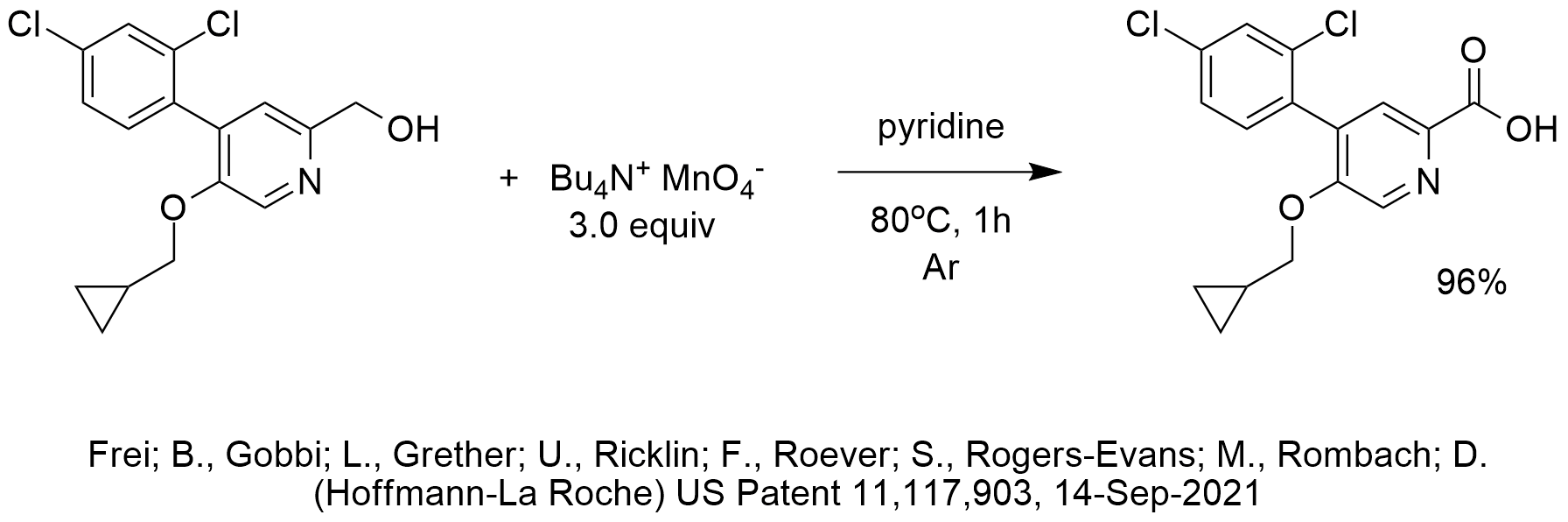
A patent that was issued this month provides us with a valuable learning opportunity. The inventors used 300 mole% of the expensive and hard-to-obtain tetrabutylammonium permanganate to perform an oxidation of an alcohol to a carboxylic acid.

In our 2-day course “Industrial Phase-Transfer Catalysis”, we teach on our famous page 76 in the course manual (same page for 20 years) the relative affinities of many anions towards quat cations. One of the anions with the highest affinity for quat cations is permanganate. The practical ramification of the very high affinity of permanganate to a quat cation relative to bromide, chloride or hydrogen sulfate is that we can avoid wasting a lot of money and forcing a huge amount of quat recycle or treatment if we use a catalytic amount of inexpensive tetrabutylammonium bromide with potassium permanganate in a molar amount required to perform the oxidation. In this case, we could reduce quat usage by 95%-99%!!

In addition, we should be able to replace the disadvantageous solvent that the inventors chose to be pyridine. The physical reaction matrix would be a solid-liquid PTC system and we would have the flexibility to choose from a wide variety of convenient, inexpensive and easily recyclable solvents (not to mention avoiding the terrible stench of pyridine).

In summary, if this reaction had to be scaled up, we should be able to reduce the quat salt cost by 99% due to 95%-99% lower usage and the much lower cost of TBAB versus TBAMnO4. We should also be able to replace the solvent with a more advantageous solvent.

Now contact Marc Halpern of PTC Organics when you need to streamline your processes and achieve low-cost high-performance green chemistry by using our highly specialized expertise in industrial phase-transfer catalysis.

PTC with Oxone(TM)

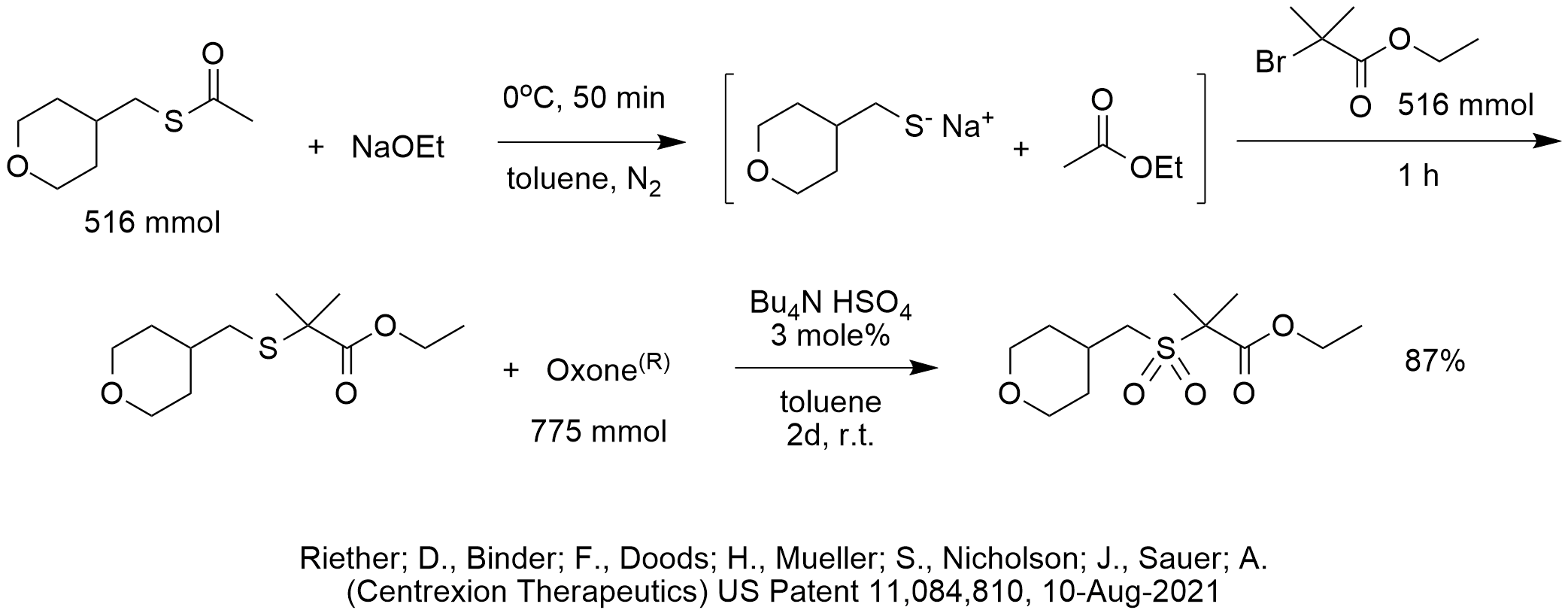
In the November 2016 PTC Catalyst of the Month, we suggested that tetrabutylammonium oxone can be replaced by tetrabutylammonium hydrogen sulfate and Oxone (TM). A patent was issued this month used that combination to convert a thioether to the corresponding sulfone shown in the diagram.

Oxone (registered trademark of DuPont) is a commercial oxidizing agent that is a triple salt mixture of 2KHSO5·KHSO4·K2SO4. This mixture has a higher stability than the potassium peroxymonosulfate by itself. Under PTC conditions, the quat cation transfers the HSO5- anion, a peroxy oxidizing agent, into the organic phase to perform efficient oxidation.

Note that one equivalent of Oxone contains two equivalents of KHSO5. Therefore, 775 mmol of Oxone contains 1,550 mmol of active peroxy oxidizing equivalents. Since 516 mmol of sulfide requires 1,032 mmol active oxygen, there is a 50 mole% excess of oxidizing agent to form the sulfone.

Even though the inventors chose to use PTC only for the oxidation of the sulfide to the sulfone, all three reactions in the sequence shown in the diagram should have been PTC candidates. As we teach in our 2-day course “Practical Phase-Transfer Catalysis”, PTC excels in transferring ethoxide into toluene and PTC excels even more in transferring and activating mercaptide anions in thioetherifications.

In other words, one could choose a single phase-transfer catalyst that would continue with the toluene phase and perform all three reactions using PTC in a streamlined process.

Then again, with 87% overall yield for the three steps, all three reactions must be quite good as reported. We are always looking for ways to minimize unit operations to streamline processes.

If your company can benefit from streamlining processes by performing multiple consecutive PTC reactions using a single solvent and a single phase-transfer catalyst, now contact Marc Halpern of PTC Organics and/or complete the form at www.phasetransfer.com/projectform.pdf to obtain a free estimate of the probability of success for using PTC to meet your performance targets.

Use of TBAC to Selectively Produce Silver Nanowires from Silver Nitrate

The process described in Allemand; P. (Cambrios Film Solutions Corporation) US Patent 11,020,802, 01-Jun-2021, is not a phase-transfer catalysis process but it is interesting because of the use of tetrabutylammonium chloride (TBAC) to reproducibly produce silver nanowires from silver nitrate when the absence of TBAC resulted in nanoparticles that were not nanowires.

The presence of 1 mole% tetrabutylammonium chloride (TBAC) was able to selectively and reproducibly convert silver nitrate into a silver nanowire on a 50 g scale, instead of producing a mixture of silver nanoparticles of various structures. The solvent and “reducing agent” (Ag [1] to Ag[0]) was ethylene glycol (3000 mL). One equivalent of PVP (polyvinyl pyrrolidone) served as a plastic flexible sheet upon which the silver is deposited. The PVP was dispersed in 1 L of ethylene glycol with a high shear mixture prior to the addition to the reaction flask. The mixture was heated to 140 C for 30 minutes. The length of the silver nanowires was 14 +/- 8 micrometers and the width was 83 +/- 22 nanometers.

We would appreciate input from our readers as to how ethylene glycol serves as a reducing agent for the ionic silver to silver metal.

Good Intent But Bad Choice of PTC Reaction Conditions

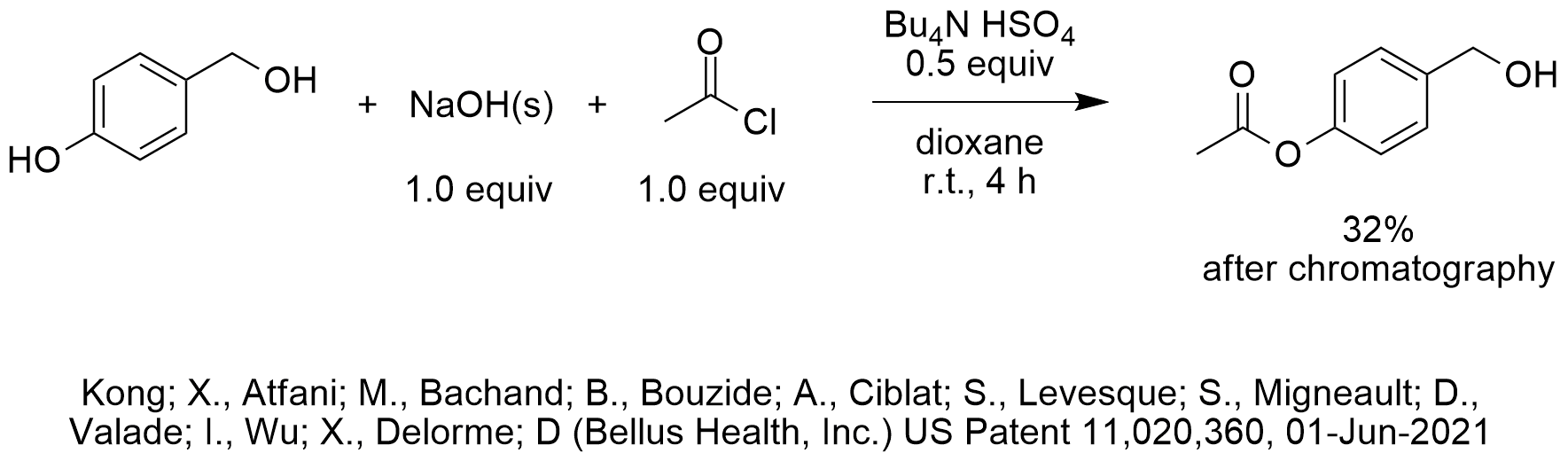
The inventors had good intentions by using phase-transfer catalysis for an O-acylation of a phenol with acetyl chloride, stoichiometric NaOH and no added water.

One major problem is that they used 0.5 equivalents of tetrabutylammonium hydrogen sulfate. Since hydrogen sulfate (pKa ~2) is 100 million times more acidic than phenol (pKa ~ 10), it is very likely that half (50 mole%) of the phenoxide ion deprotonated the hydrogen sulfate to form sulfate and the neutral phenol which in turn limited the maximum theoretical yield to 50%. The idea of neutralizing the phenol with exactly one equivalent of NaOH was a good idea to avoid free hydroxide that could potentially hydrolyze the acetyl chloride. It’s a shame that half of that NaOH had to deprotonate the HSO4. They should have used a quat chloride (or bromide, though the in-situ formation of acetyl bromide could be either good or bad, depending on whether it enhances hydrolysis more than acylation)

In addition, one equivalent of water was generated by the deprotonation of the phenol with NaOH (assuming that the inventors would have avoided a hydrogen sulfate quat). Since dioxane was used as the solvent and is miscible with water, that guaranteed that the water will come in contact with the acetyl chloride and cause some hydrolysis

Hydrolysis could have been avoided by using potassium carbonate as the base and desiccant and/or using a solvent such as toluene that rejects water instead of dioxane that attracts water. After all, the job of the phase-transfer catalyst is to bring the phenoxide anion into the organic phase for reaction with the acetyl chloride. Let the quat do the heavy lifting of the reacting anion instead of the solvent.

It is not surprising that the yield was less than 50% due to the combination of using a large amount of a hydrogen sulfate quat that could be deprotonated (accounting for 50% yield reduction) plus using a solvent that readily dissolves water and brings it into contact with the water-sensitive acetyl chloride further reducing the yield to 32%.

It would have been interesting to observe the results if a water-immiscible solvent was used (such as toluene) with a base that is a desiccant and a phase-transfer catalyst that did not contain a deprotonatable hydrogen (such as a quat chloride or bromide). The large catalyst loading was also unnecessary (50 mole% was way too much).

One would hope that most of our readers would not make these obviously bad choices but there are other situations in which poor choices are not so obvious. In those cases, you should really contact Marc Halpern of PTC Organics to integrate highly specialized expertise to properly choose, base, phase-transfer catalyst, solvent and other PTC parameters to achieve low-cost high-performance green chemistry for industrial PTC applications.