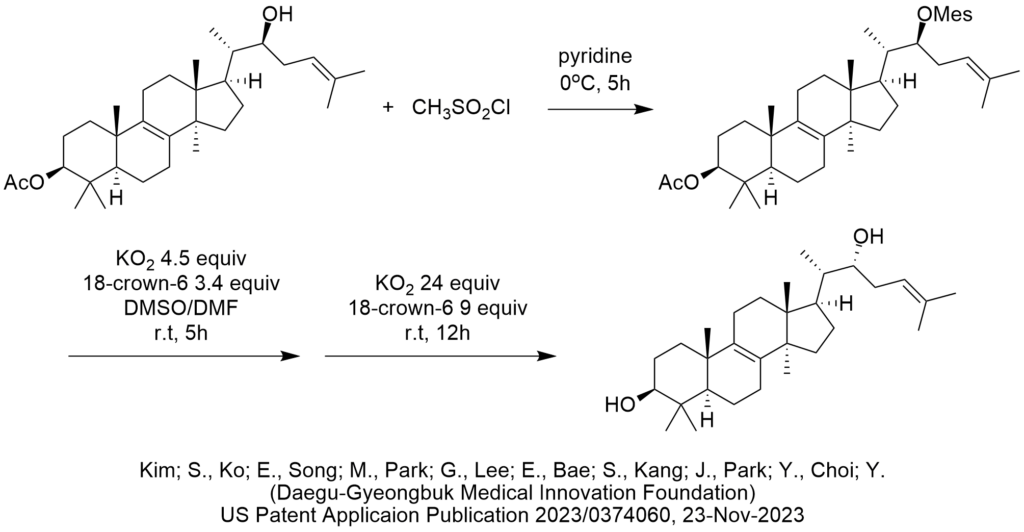
 The second reaction shown in the diagram uses crown ether presumably to transfer potassium peroxide to the organic phase by complexation. The crown ether is not catalytic and is used in large quantities, apparently to match the large loading of the potassium peroxide.
In the first step, the alcohol is converted into the mesylate. In the second step, the peroxide appears to attack the mesylate by a nucleophilic substitution based on the inversion of configuration. At the same the, the acetate is hydrolyzed to the alcohol (obviously with retention of configuration).
We would be curious to learn if our readers have encountered using peroxide as a nucleophile in this manner.
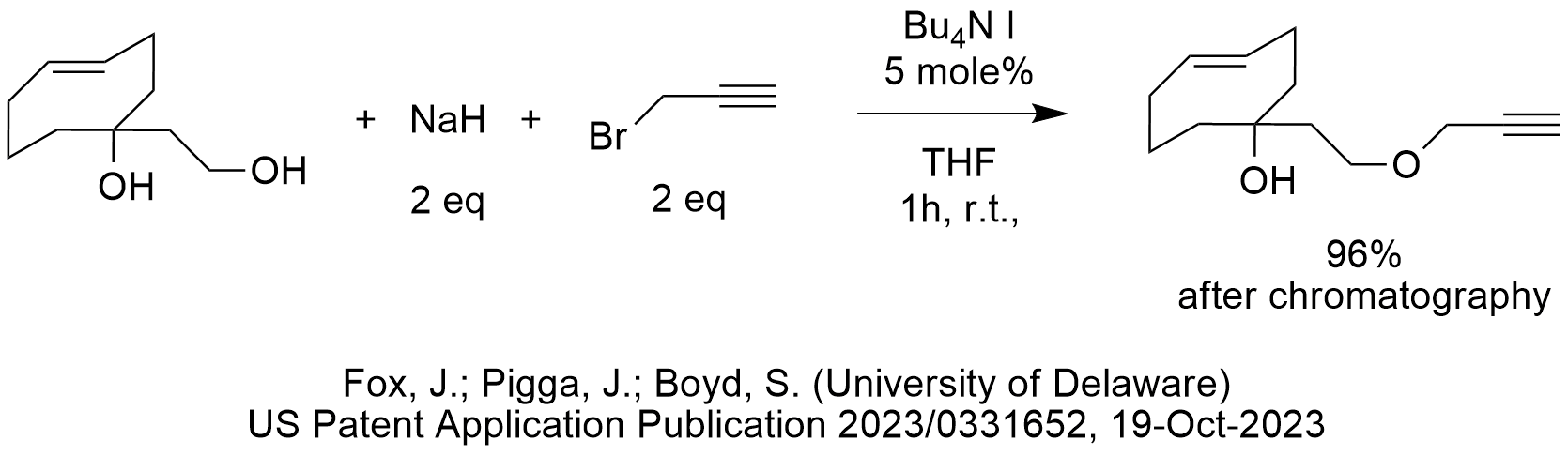
Whenever we see the use of sodium hydride with a quat salt, especially for a simple etherification reaction, PTC experts cringe. After all, phase-transfer catalysis using NaOH is almost always the slam-dunk best option to produce non-commodity ethers through Williamson ether synthesis.
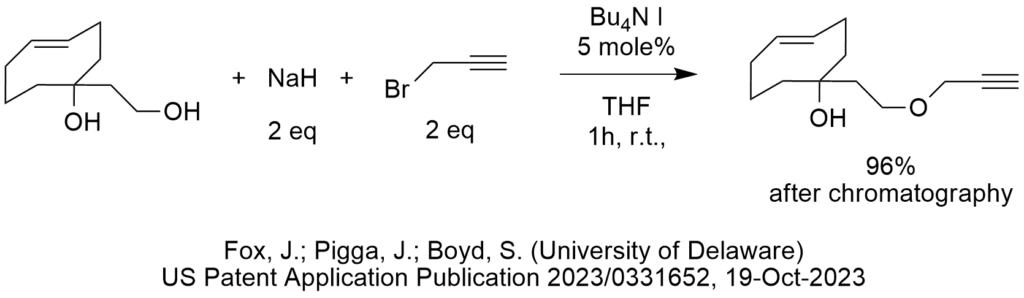
However, this month we saw a reaction that might likely be the first example we have seen that may justify the use of NaH instead of PTC-NaOH for a Williamson ether synthesis.
The reaction involves a diol derivative of trans-cyclooctene (“TCO”). The twisted strained TCO molecule is thermodynamically unfavored relative to the much more stable cis-cyclooctene. In fact, TCO is formed from cis-cyclooctene by high-energy photochemistry that is described in this patent application publication.
The many reactions described in the patent application publication are performed at room temperature or lower and reaction times are minimized. This is done presumably to minimize the heat history of these compounds and minimize isomerization back to the less strained cis isomers.
It is possible that PTC-NaOH conditions could be used to perform the O-alkylation on the primary alcohol with propargyl bromide shown in the diagram. However, it is likely that the reaction temperature and reaction time with PTC-NaOH would be longer which could potentially jeopardize the strained trans configuration staying intact.
For this reason alone, we support the choice of NaH as the base and the use of the polar solvent THF that results in very high yield in just 1 hour at room temperature. We suspect that the reason for adding the tetrabutylammonium iodide is to form the propargyl iodide in-situ to further reduce the energy of activation and minimize heat history.
It is also obvious that the primary alcohol is more reactive than the secondary alcohol. In fact, the secondary alcohol is also axial which makes it even less available for attack. So, selectivity for etherification of the primary alcohol is very high.
In summary, in contrast to what we teach for almost all Williamson ether synthesis applications in our 2-day course “Industrial Phase-Transfer Catalysis,” the specific etherification shown in this patent application publication justifies the use of sodium hydride.
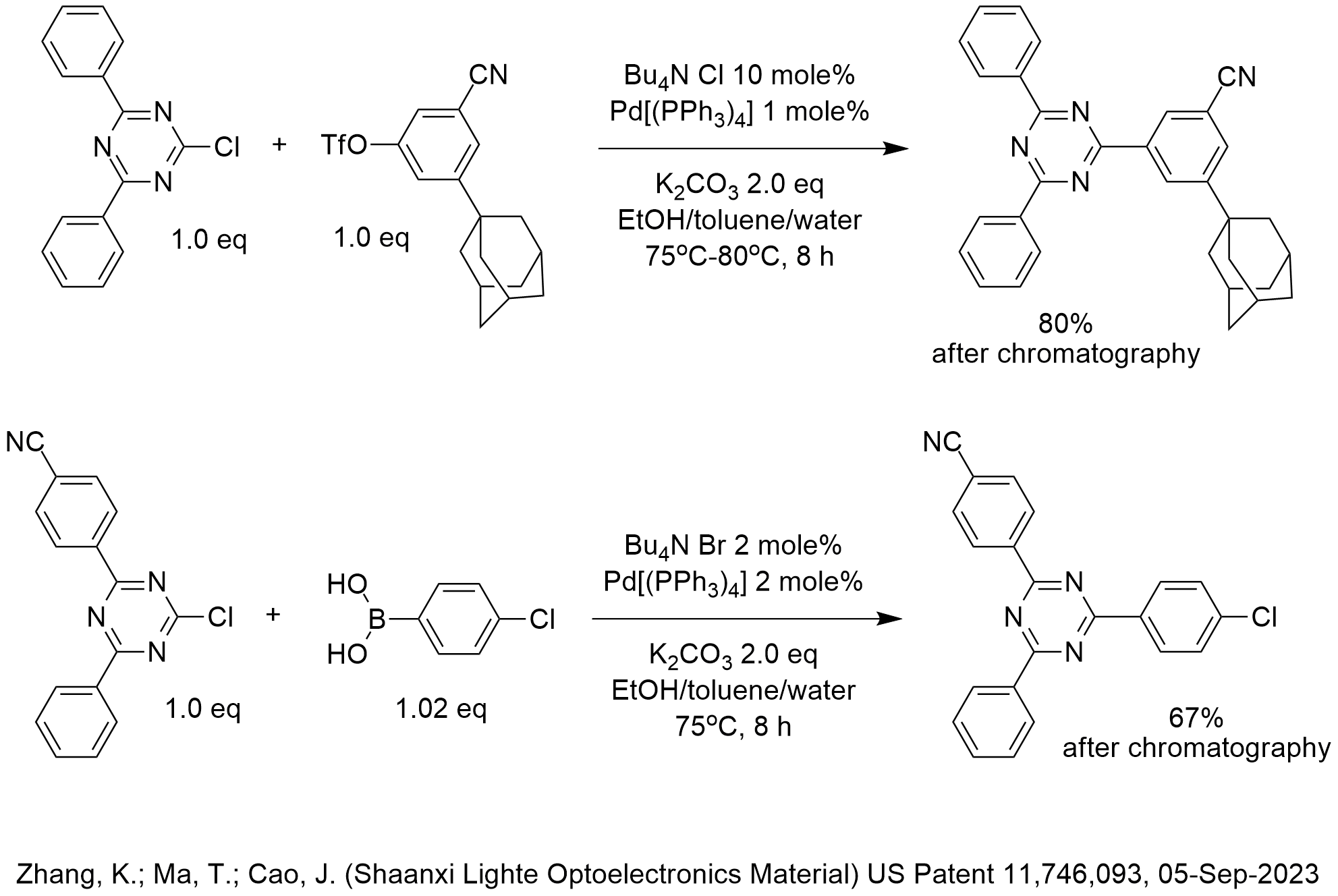
A patent was issued this month that reminds us that phase-transfer catalysis facilitates various coupling reactions catalyzed by transition metal complexes such as those containing palladium.
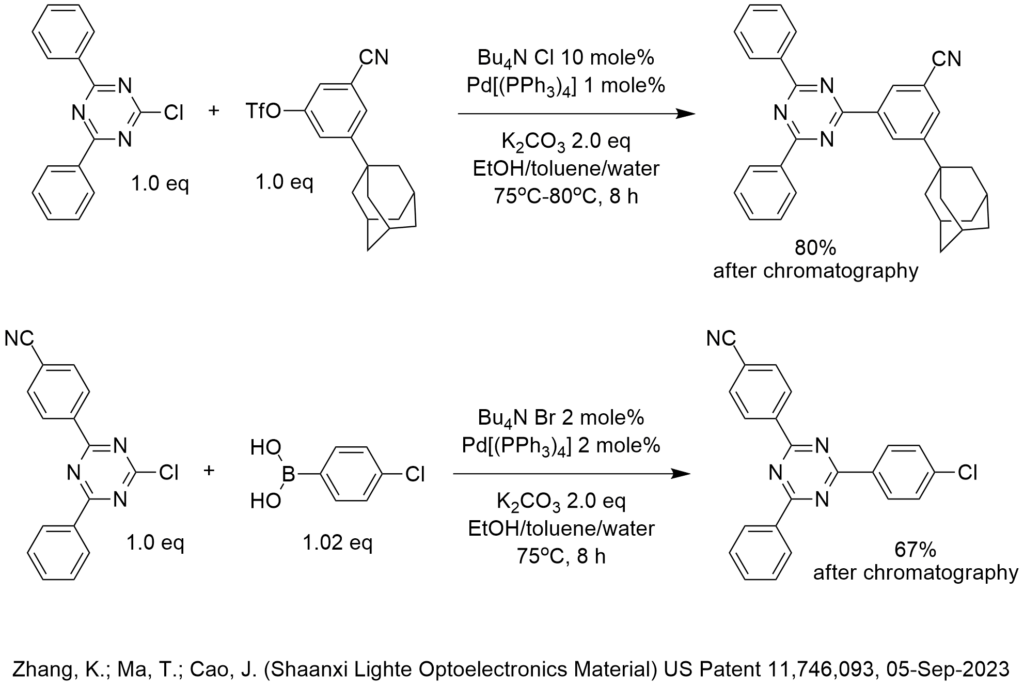
More than a dozen coupling reactions catalyzed by tetrabutylammonium bromide or chloride and tetrakis(triphenylphosphine)palladium were described in detail. Some of the coupling reactions were Suzuki. The diagram shows two examples. The ratio between the quaternary ammonium phase-transfer catalyst and the tetrakis(triphenylphosphine)palladium catalyst, varies from application to application.
We are not aware of reports that definitively elucidate the role of the quaternary ammonium phase-transfer catalyst in reactions catalyzed by palladium. However, Dr. Peter Wuts has offered input about the co-catalytic effect of quat salts and palladium complexes in Suzuki reactions that contain water. You can read Dr. Wuts’ input at http://phasetransfercatalysis.com/ptc_tip/alternative-explanation-for-ptc-suzuki/.
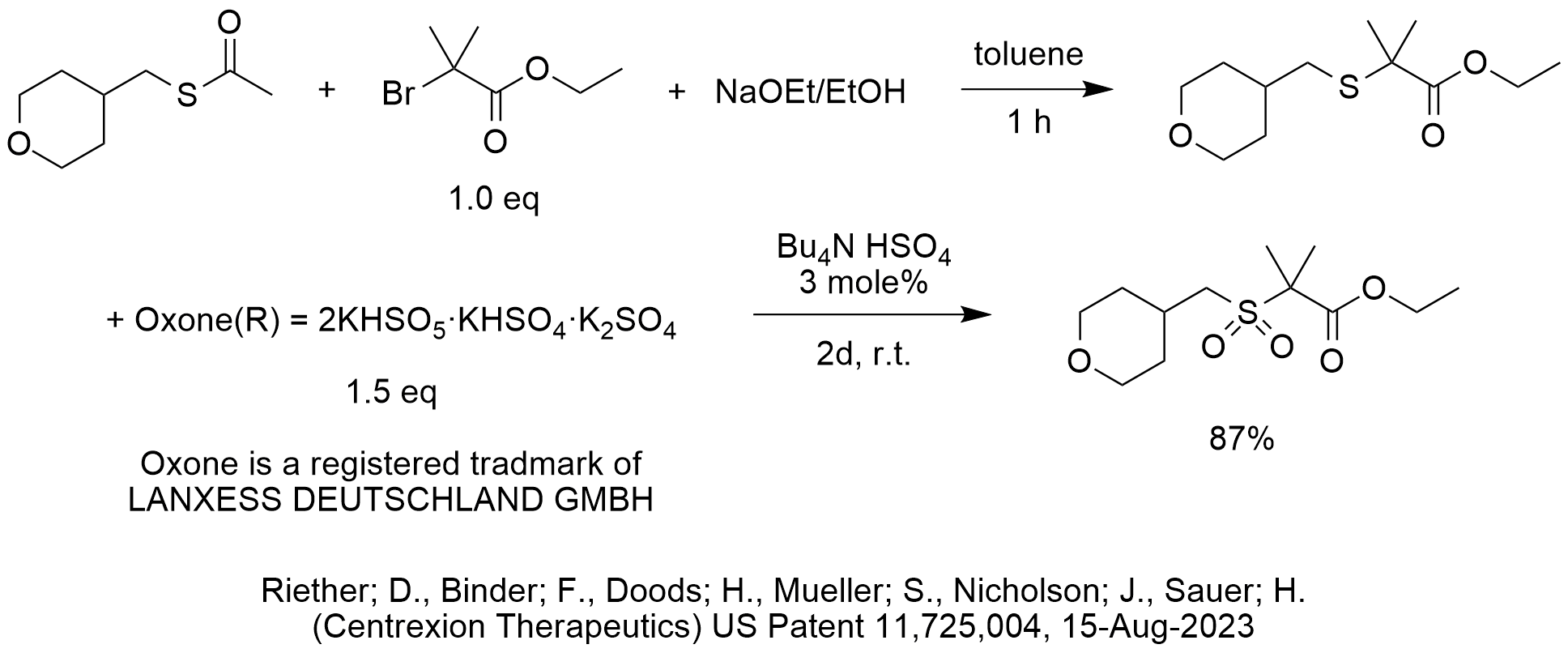
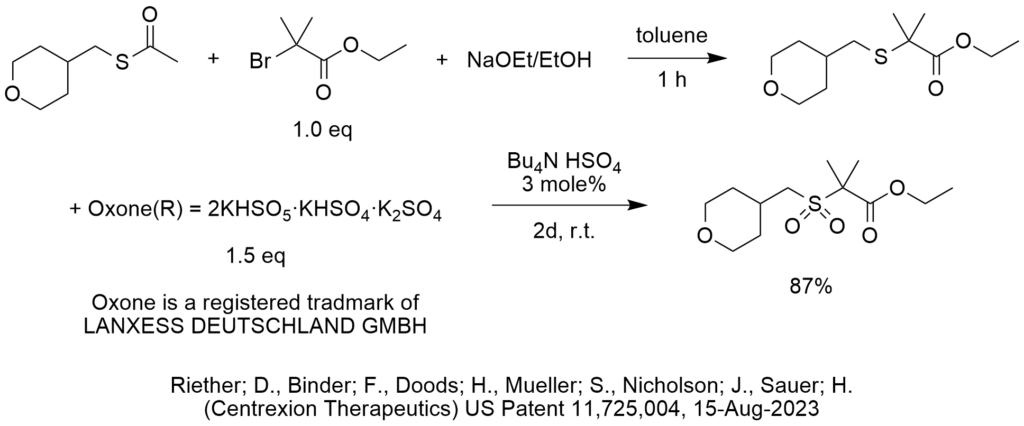 The second reaction shown in the diagram is an oxidation of a sulfide to a sulfone using Oxone® (registered trademark of Lanxess Deutschland). Oxone® is a mixture of salts including the active potassium peroxymonosulfate, which is more stable than potassium peroxymonosulfate by itself.
As we teach in our 2-day course “Industrial Phase-Transfer Catalysis,” from an industrial standpoint on a large scale, PTC can preferably be used with hydrogen peroxide to perform the oxidation of sulfides to sulfones. See for example Shintaku, T.; Katsura, T.; Itaya, N. (Sumika Fine Chemicals) 2004, US Patent 6,740,770 or Gargano, G.; Halpern, M.; (Ultraclean Fuel Pty Ltd) US Patent 10,214,697, 26-Feb-2019.
Also as we teach in our 2-day course “Industrial Phase-Transfer Catalysis,” PTC has been used in several oxidations using Oxone® including another oxidation of a sulfide to a sulfone, epoxidation of alkenes and a chiral oxidation (using a chiral auxiliary) shown in the April 2012 PTC Reaction of the Month.
Additional details for this oxidation can be found in the August 2021 PTC Tip of the Month. This includes a discussion that PTC should have been used (or at least considered) for the base-promoted first reaction.
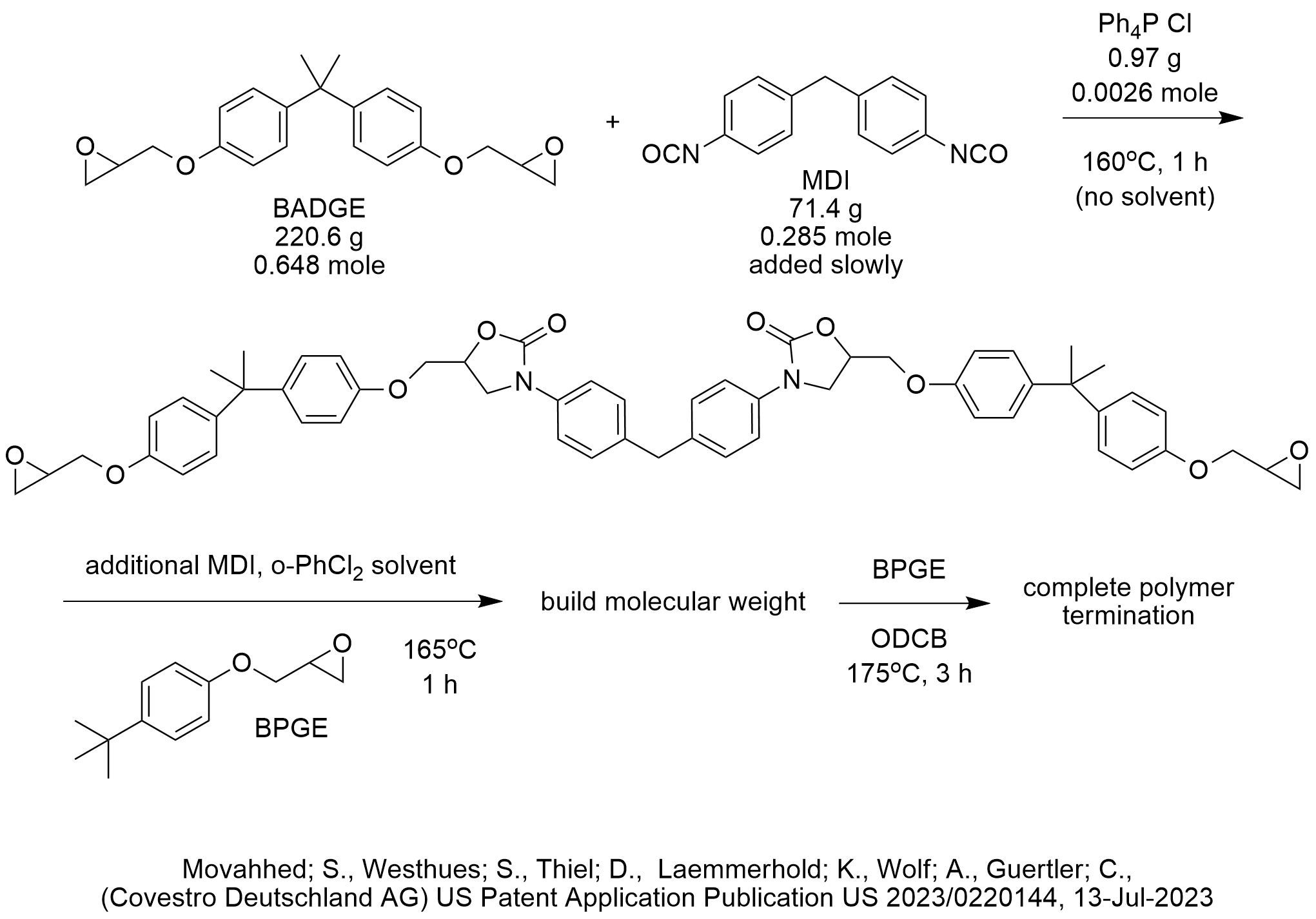
Tetraphenyl phosphonium salts are stable at high temperature and have been reported for several PTC reactions including fluoride halex reactions and polymerizations based on nucleophilic aromatic substitution. Alkyl triphenyl phosphonium salts are used to build molecular weight for epoxy resins after benzyl trimethyl ammonium chloride is used to form bisphenol A diglycidyl ether (“BAGDE”).
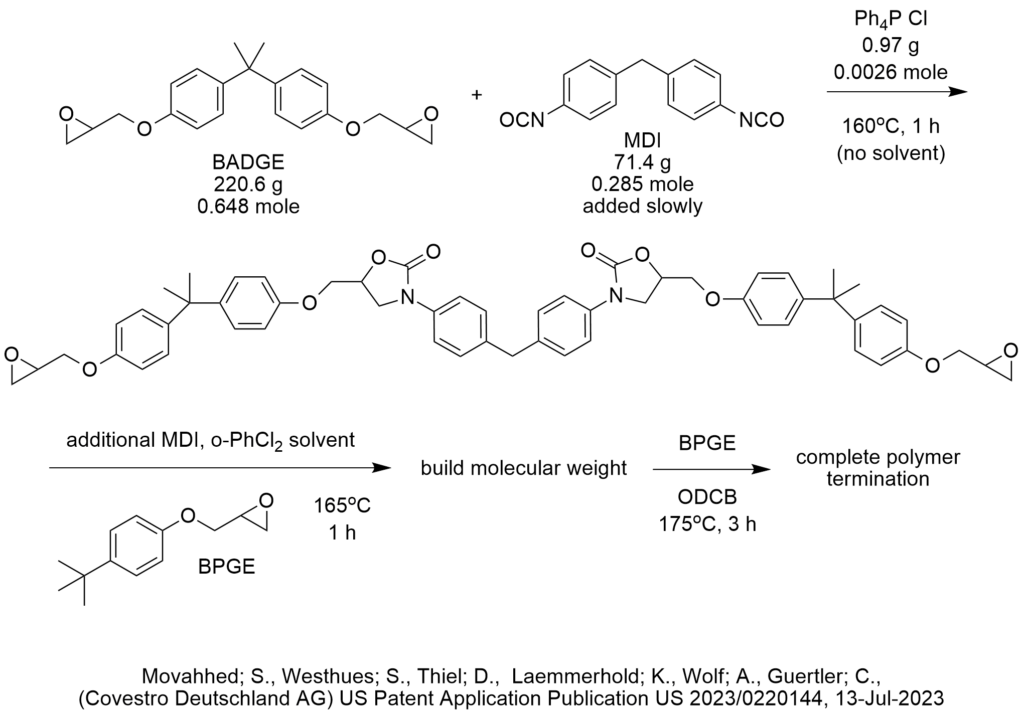
The reaction shown in the diagram is not a phase-transfer catalysis reaction, it’s a reaction catalyzed by organic soluble chloride or bromide. The halide opens the epoxide rings of BADGE and the resulting alkoxide attacks the isocyanate (MDI) that ring closes to the oxazolidone, liberating the halide for another cycle. In a second step, molecular weight is built by adding more MDI. A monofunctional epoxide, para-t-butyl phenyl glycidyl ether is used to cap (terminate) the polymer, performed in two steps.
The reaction conditions described in the patent application publication provides several advantages. This catalyst system produces a polyoxazolidinone product with low polydispersity, and high chemical selectivity. In particular it reduces the amount of unwanted side products like isocyanurates (formed from isocyanates) that cause unwanted cross-linking of the reaction product and negatively impact the thermoplastic properties.
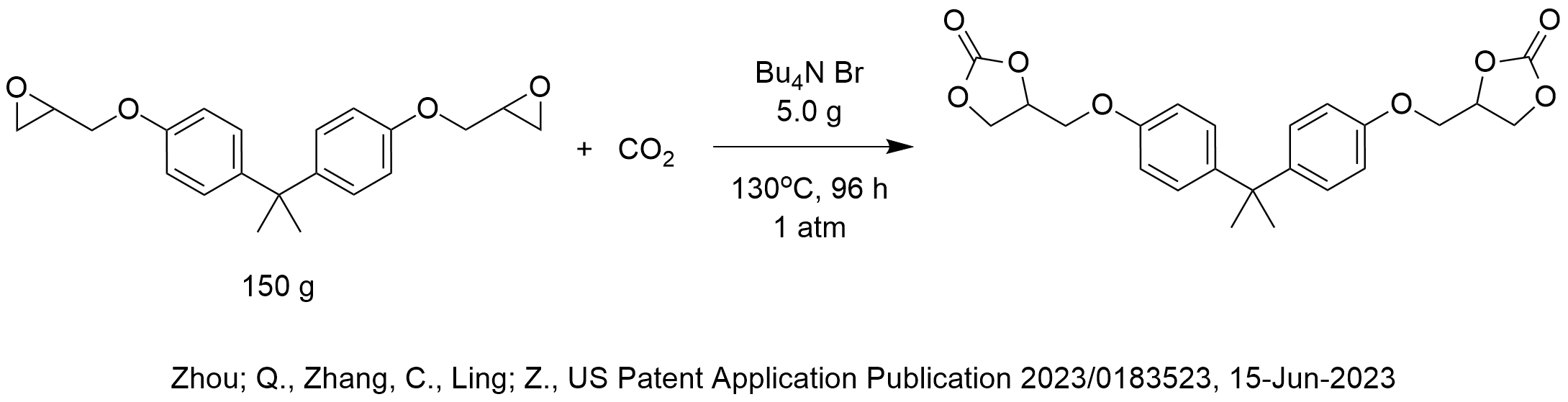
From time to time, we report on the use of tetrabutylammonium bromide to catalyze the reaction of epoxides with carbon dioxide to form cyclic carbonates. The reaction shown in the diagram is another such application.
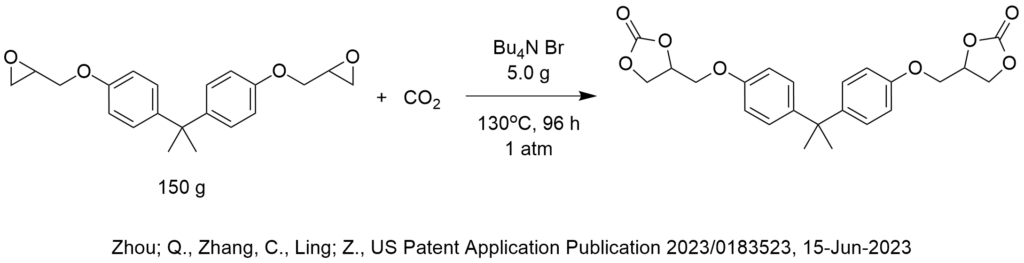
The mechanism for this reaction is shown in an earlier PTC Tip of the Month here:
http://phasetransfercatalysis.com/ptc_reaction/ptc-carboxylation-using-co2/.
Interestingly, the reaction was done at atmospheric pressure and bubbling carbon dioxide. Such reactions are typically performed under pressure as per the following examples:
http://phasetransfercatalysis.com/ptc_reaction/cyclic-carbonates-from-carbon-dioxide-and-epoxides/
http://phasetransfercatalysis.com/ptc_tip/tbab-catalyzed-cyclic-carbonate-from-epoxidized-soybean-oil-and-carbon-dioxide/
http://phasetransfercatalysis.com/ptc_catalyst/tbab-cobalt-acetate-triphenylphosphine/
The starting material for this reaction, bisphenol A diglycidyl ether (DGEBA is the abbreviation used in the publication), is also made using phase-transfer catalysis. US Patent 4,276,406 describes a version of the historical Dow Chemical process that reacts bisphenol A with epichlorohydrin using benzyl trimethyl ammonium chloride to produce DGEBA for commodity scale epoxy resins.
On top of that yet another PTC reaction is used to build the molecular weight of epoxy resins from DGEBA. The phase-transfer catalyst used to build epoxy resin molecular weight is usually an alkyl triphenyl phosphonium salt.
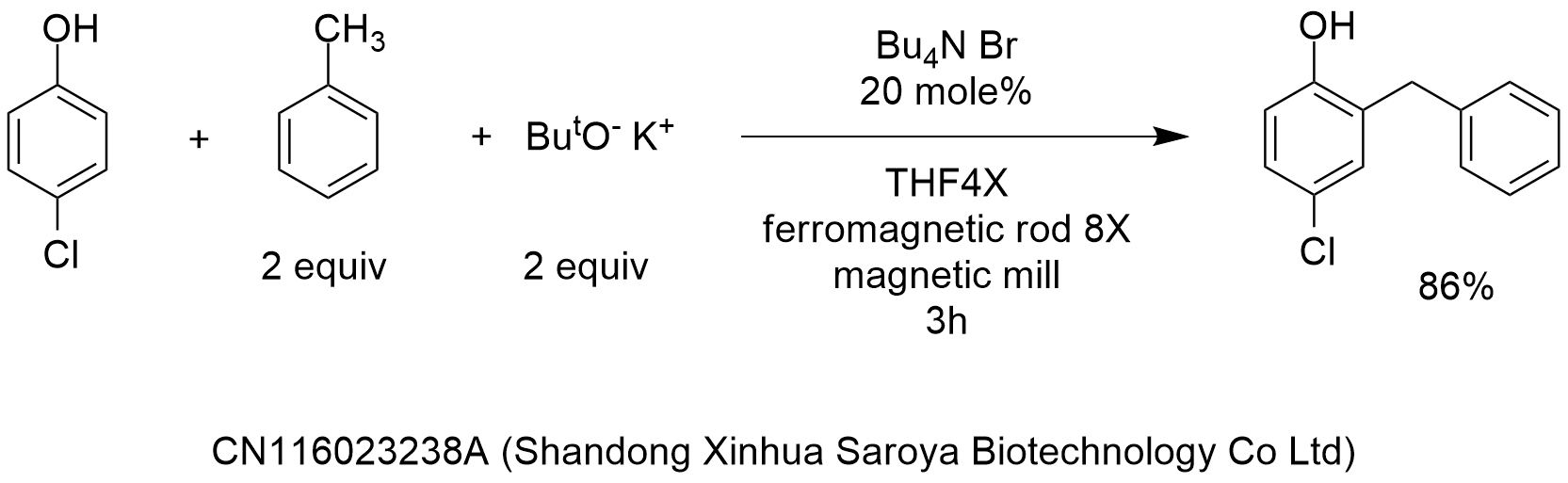
I am requesting the help of those of you who are much better organic chemists than me. Please contact Marc Halpern of PTC Organics with a possible explanation of the mechanism of the reaction shown in the diagram. While it is obvious that the chlorophenoxide is formed, it seems surprising that toluene is not inert in this reaction.
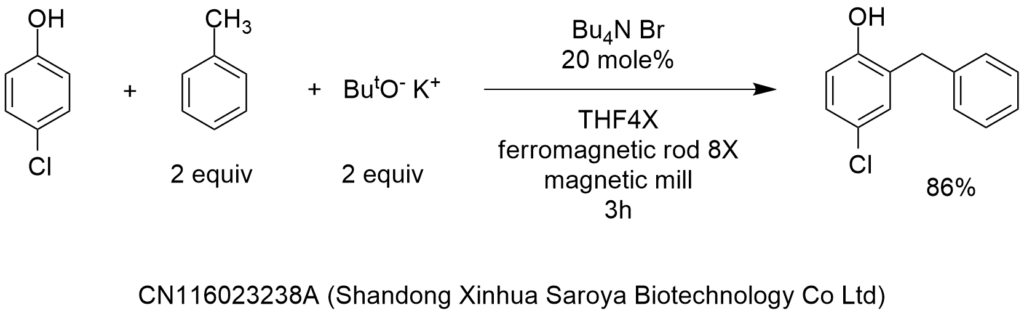
The procedure reported in the patent CN116023238A (Shandong Xinhua Saroya Biotechnology Co Ltd) is as follows: “Tetrabutylammonium bromide (0.2 mmol), potassium t-butoxide (2.0 mmol) and 4-chlorophenol (1.0 mmol) and toluene (2.0 mmol) were added to the reaction flask under air, 4mL of tetrahydrofuran was added thereto, and finally 8g of ferromagnetic rod was added. The reaction flask was placed in a magnetic mill and reacted for 3 hours. And monitoring the reaction progress by TLC, namely determining the reaction completion, cooling the system to room temperature after the reaction completion, dissolving out the mixture in the bottle by using ethyl acetate, adding water for extraction for three times, taking an upper organic phase, adding anhydrous sodium sulfate for drying, adding silica gel for spin drying, carrying out column chromatography, and separating to obtain a target product with the yield of 86%.”
Following are more data to help you figure out the effects of various process parameters.
The yield after 1 hour was 36% and after 2 hours was 53%.
When using only 1 equivalent of toluene, the yield was 36%. The yield when using 1.5 equivalents of toluene was 53%. The yield when using 2.5 equivalents of toluene was 81%, so there was no benefit increasing the excess toluene beyond 2 equivalents.
Reducing the TBAB from 20 mole% to 5 mole% reduced the yield to 26%. Using 25 mole% TBAB gave a yield of 82%, so there was no benefit increasing the TBAB loading beyond 20 mole%.
When using 7 g ferromagnetic rod instead of 8g, the yield was 75% and increasing the amount of ferromagnetic rod to 10g resulted in a yield of 81%.
Reducing the t-butoxide loading from 2 equivalents to 1.5 equivalents reduced the yield to 72%. Increasing the t-butoxide loading from 2 equivalents to 2.5 equivalents resulted in the same high yield of 86%, so there was no benefit to increasing the t-butoxide beyond 2.0 equivalents.
Replacing he TBAB with TEBAC (benzyl triethyl ammonium chloride) reduced the yield to 70%.
Replacing the TBAB with tributylamine or pyridine gave yields of 20%.
Replacing the THF with acetonitrile resulted in 30% and replacing the THF with DMF resulted in a 32% yield.
Different substituents: Using meta-xylene instead of toluene gave 53% yield, using o-methylbenzonitrile gave 78% yield, using o-methylnitrobenzene gave 73% yield, using methyl p-methylbenzoate gave 82% yield, using m-chlorotouene gave 52% yield.
Please contact Marc Halpern of PTC Organics with a possible explanation of the mechanism of this reaction.
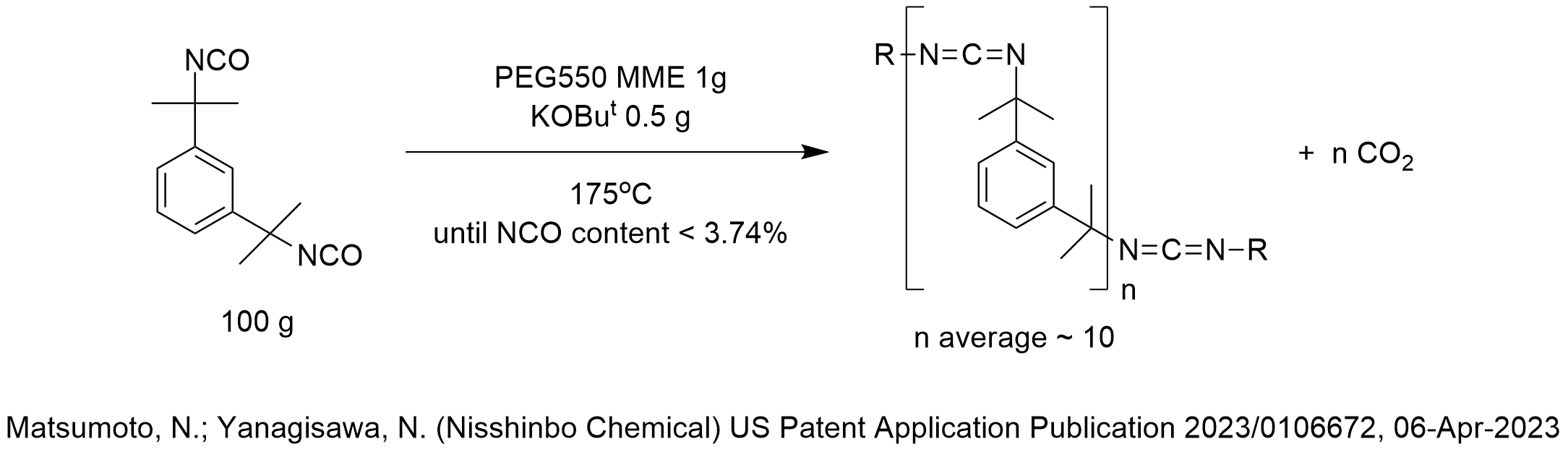
Carbodiimides are produced from isocyanates using phosphine oxides as catalysts. The disadvantage of using phosphine oxide catalysts is the need to separate the catalyst which is difficult. The patent application publication shown in the diagram describes the production of polycarbodiimide from TMXDI (tetramethylxylylene diisocyanate) that advantageously avoids the use of phosphorous and instead uses a base such as potassium t-butoxide and a phase-transfer catalyst. The base and PTC are easy to remove from the product.
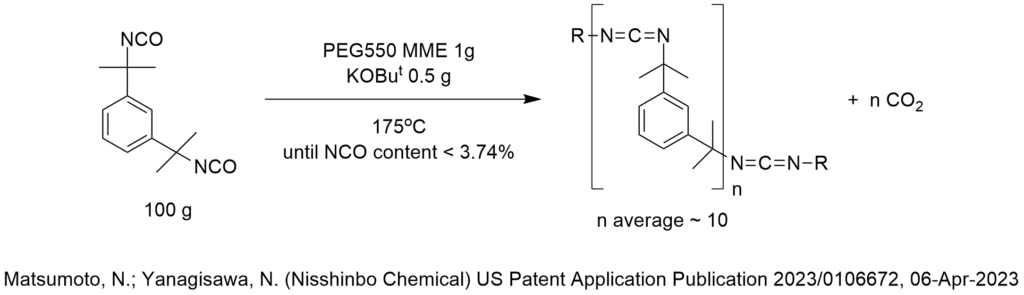
The reaction is performed at a temperature of 175 deg C and is run with an internal process control point of 3.74 isocyanate content that corresponds to a degree of polymerization of 10. The Lewis base is potassium t-butoxide.
When running the reaction without a phase-transfer catalyst, the reaction time required is 26 hours. Following are reaction times with various phase-transfer catalysts:
18-crown-6 & 15-crown-5: 2 hours
PEG550 monomethyl ether: 11 hours
tetrabutylammonium 2-ethylhexanoate: 20 hours
The inventors also screened combinations of phase-transfer catalysts with other bases such as potassium acetate, cesium acetate and sodium ethoxide. Increasing the amount of phase-transfer catalyst could significantly reduce the reaction time.
We speculate that the use of PEG550 monomethyl ether might provide good benefit at reasonable cost and availability.
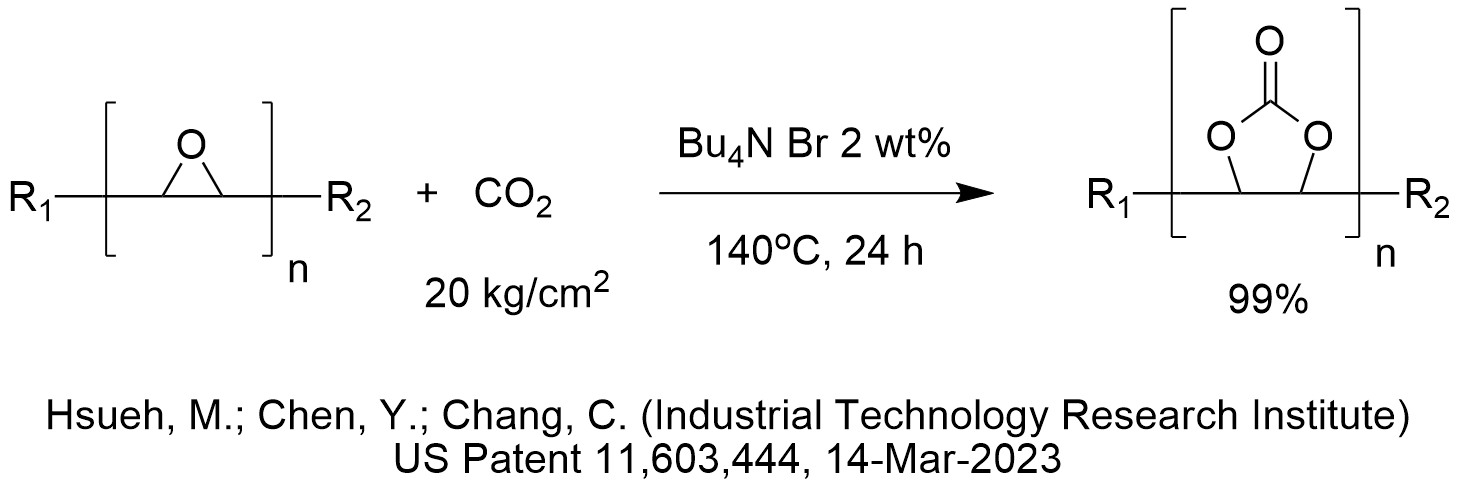
Tetrabutyl ammonium bromide was used to make “cyclic carbonated soybean oil” (CSBO) from epoxidized soybean oil and carbon dioxide. While this reaction is catalyzed by bromide solubilized by the organophilic tetrabutylammonium cation, it is not a phase-transfer catalysis reaction.
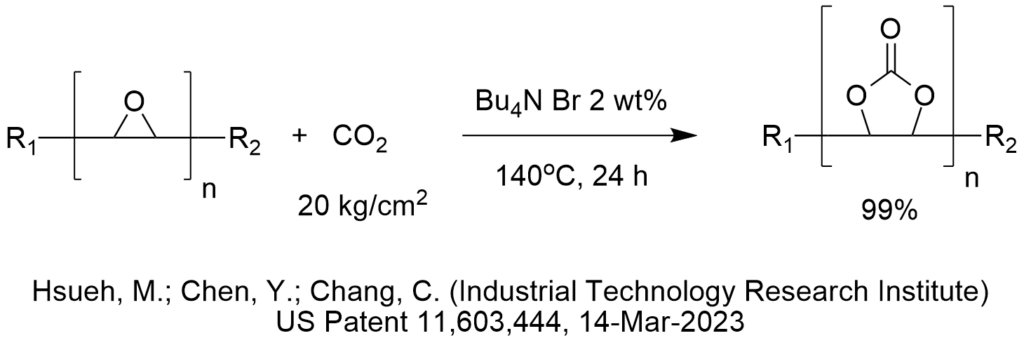
The mechanism starts with the attack of bromide on the epoxide to form a 2-bromoethyl alkoxide derivative. The alkoxide oxygen attacks carbon dioxide and the resulting organic carbonate anion displaces the bromide (regenerating the bromide anion catalyst) to form the cyclic carbonate.
The mechanism of the TBAB-catalyzed reaction of epoxides with carbon dioxide is similar to that shown in a PTC Reaction of the Month in 2014 shown here: http://phasetransfercatalysis.com/ptc_reaction/ptc-carboxylation-using-co2/.
The cyclic carbonated soybean oil (CSBO) was used as the starting material to produce a variety of foaming compositions for rigid foams by reaction with carbamates and amines. The rigid foams had higher tensile strength, tear strength and other properties desirable for rigid foam. These foaming compositions also had environmental advantages related to the absence of chloride or isocyanate in the final product.
One of the most practical advantages when using phase-transfer catalysis is the ability to streamline processes. In our 2-day course “Industrial Phase-Transfer Catalysis,” we highlight multiple examples of leveraging the advantage of PTC to use almost any organic liquid as a solvent in order to eliminate solvent exchanges between steps of a reaction sequence.
The benefits of choosing the same solvent for a PTC reaction to be the same as the solvent used in either a previous step or next step include reducing process cycle time, minimizing or eliminating handling losses, minimizing solvent recovery/recycle/storage tanks and in one classic notable case, significant environmental emissions.
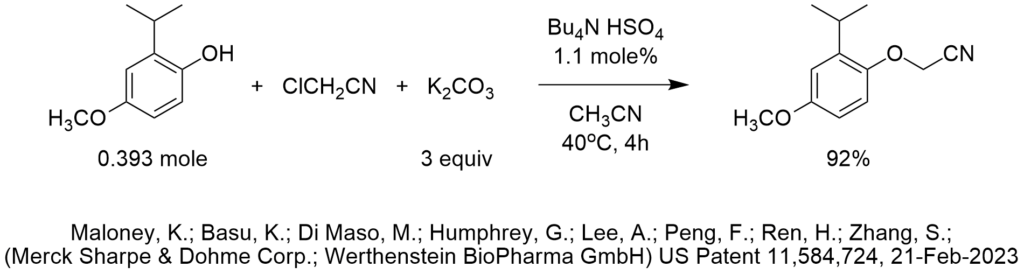
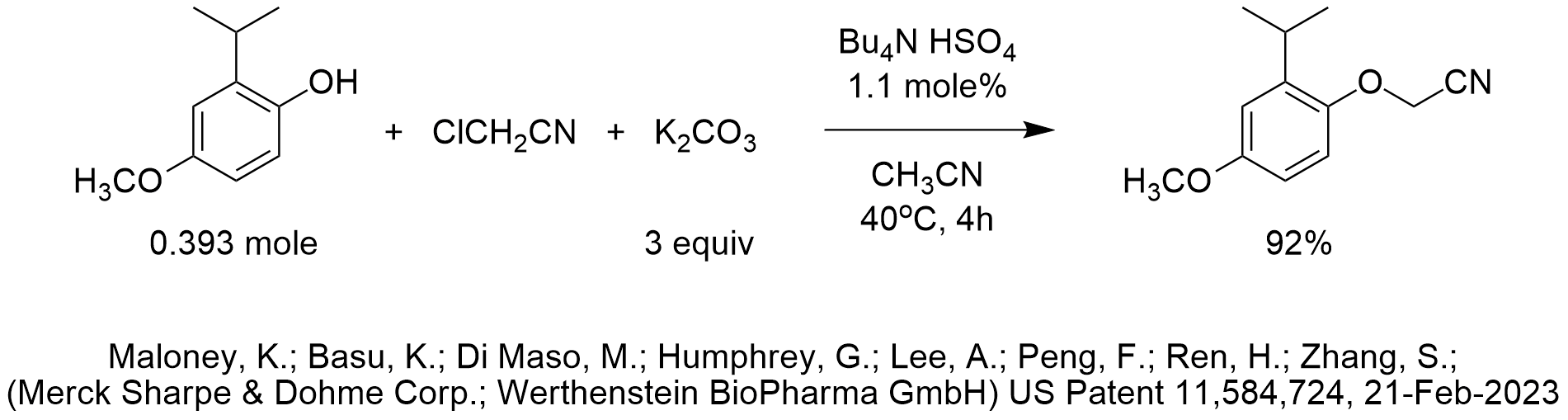
The reaction shown in the diagram does the opposite. The starting material is a phenol derivative that is brought into the process dissolved in toluene as a 13.3% solution. This solution was the product of the previous step that produced the isopropyl methoxy phenol used in this current step. Toluene has been used successfully in hundreds of PTC etherifications including etherifications of phenols. However, the inventors chose to concentrate the solution of starting material in toluene and replace the toluene with acetonitrile as the solvent. This appears to “unstreamline” the process.
The other PTC reaction conditions chosen were quite reasonable using 1.1 mole% tetrabutylammonium hydrogen sulfate, potassium carbonate as the base and a temperature of 40 C. For scale up, we would probably have chosen tetrabutyl ammonium bromide which is less expensive than the hydrogen sulfate and the bromide would likely co-catalyze the reaction by forming in-situ the more active bromoacetonitrile as the alkylating agent. Then again, the reaction time was only 4 hours (likely not optimized), so unless the process scale was very large or if the reactor time is at a premium in a multi-purpose reactor train, there might not be a significant advantage to reducing the reaction time.
During workup, the reaction mixture was treated with water (presumably to dissolve the NaCl byproduct and possibly to start removing the tetrabutylammonium catalyst) and the phases separated. But then the organic phase was washed with 10% aqueous NaCl (instead of just water), perhaps to avoid handling losses of the cyanoether product to acetonitrile that may distribute into water if water was used with no ionic strength. At that point, the inventors switch the solvent back to toluene (under vacuum) before filtration and concentration to provide a 58% solution of the ether in toluene. The cyanoether was introduced into the next step as a solution in toluene.
It is puzzling to understand why the inventors chose to replace the toluene from the previous step with acetonitrile when toluene would have likely been effective for the PTC O-alkylation. Their choice of acetonitrile as the reaction solvent seems non-optimal since their workup involved treatment with water and separation from the aqueous phase which would obviously entrain some acetonitrile at low ionic strength. This solvent exchange is further puzzling since the inventors actually replaced the acetonitrile with toluene after the reaction and workup.
It would appear obvious to use toluene as the reaction solvent for this etherification as avoid the effort, handling of another solvent and extra time for solvent exchange, while avoiding problems associated with the miscibility of acetonitrile and water, then avoid the replacement of the acetonitrile back to toluene, which was used in the next step anyway. This appears to be “unstreamlining” of the process.
If any of our readers would like to offer the rationale for the solvent exchange toluene to acetonitrile and back to toluene, we would be curious to hear it. It should be noted that the inventors reported the same O-alkylation without PTC and they chose NMP as the solvent and NaOH as the base. In that case, they similarly replaced the toluene at the outset of the reaction with NMP and switched back to toluene at the end of the workup in preparation for the next step.
If your company is developing a commercial O-alkylation, explore integrating the extensive highly specialized expertise of PTC Organics in PTC etherifications with your process R&D program to achieve streamlined low-cost high-performance green chemistry for such O-alkylations. Now contact Marc Halpern of PTC Organics.


 The second reaction shown in the diagram uses crown ether presumably to transfer potassium peroxide to the organic phase by complexation. The crown ether is not catalytic and is used in large quantities, apparently to match the large loading of the potassium peroxide.