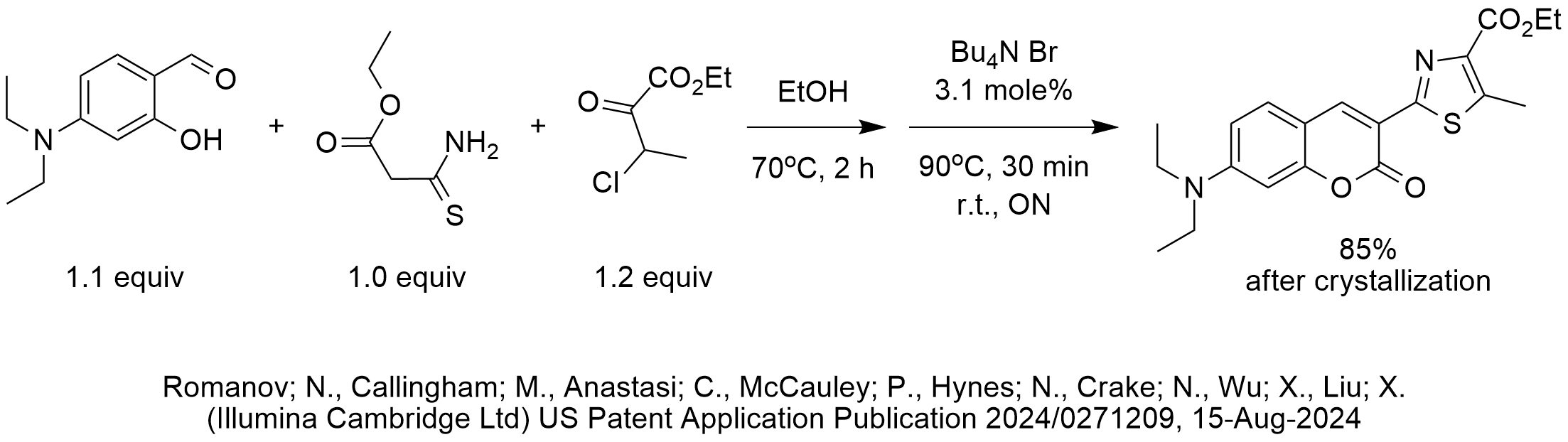
We came across a condensation reaction this month that uses TBAB (tetrabutylammonium bromide) as a catalyst at a loading of 3.1 mole%. The reaction is shown in the diagram.
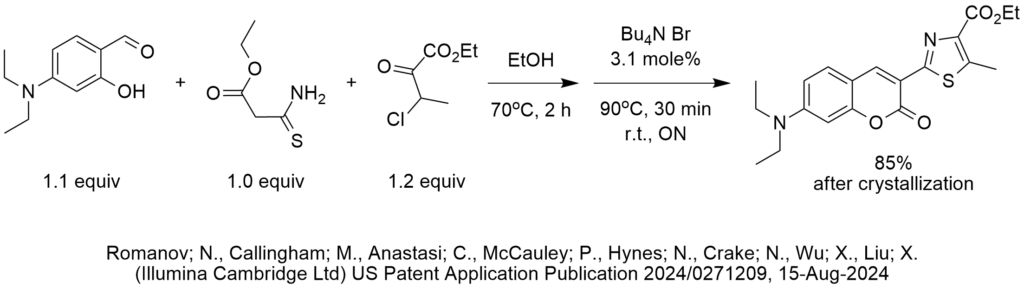
However, it appears that either there is a missing reactant, such as a base to promote one of the condensation steps, or it is not clear what role TBAB could be playing in this reaction.
What do you think?
The reaction was performed in two steps. First the three reactants were mixed and heated at 70 deg C in ethanol for 2 hours. Then the TBAB was added to complete with additional 0.5 hour at 90 deg C and overnight at r.t.
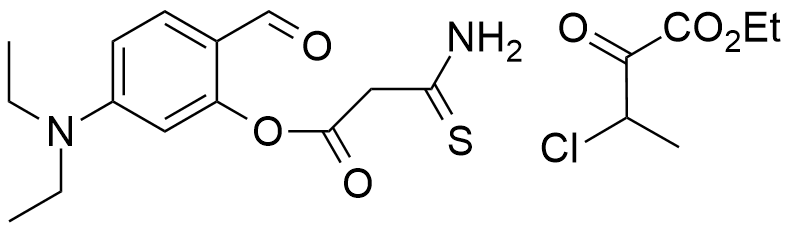
One possibility is that heating in ethanol facilitates a condensation reaction between the p-diethylaminosalicylaldehyde and the thioamide, resulting in the formation of an intermediate such as that shown in the next diagram. Another possibility is the formation of an imine from the aldehyde and the nucleophilic thioamide, though it is not clear how that would lead to the reported structure of the product.
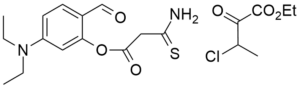
If we assume that the intermediate is that shown in the second diagram, then TBAB could possibly catalyze a condensation induced by attack on the aldehyde by an anion formed by deprotonation of the methylene group in the beta diketone-thioketone IF a base was present, such as NaOH or potassium carbonate. PTC excels in the formation and nucleophilic attack of such anions. If this PTC catalyzed attack of the carbanion/enolate on the aldehyde, that would form the chromenone ring.
However, if base was not present, it is not clear what role the TBAB plays in these reactions. That is why we speculate that the addition of base was inadvertently omitted from the procedure.
At some point, the formation of a thiazole ring is likely driven by a nucleophilic attack on the carbonyl carbon of ethyl 3-chloro-2-oxobutanoate by an intermediate formed earlier. The sulfur atom in the thioamide participates in the cyclization, leading to the formation of a thiazole ring structure.
The isolated yield after crystallization is 85%.
Why do you think is happening in this reaction system?
We came across a condensation reaction this month that uses TBAB (tetrabutylammonium bromide) as a catalyst at a loading of 3.1 mole%. The reaction is shown in the diagram.
However, it appears that either there is a missing reactant, such as a base to promote one of the condensation steps, or it is not clear what role TBAB could be playing in this reaction.
What do you think?
The reaction was performed in two steps. First the three reactants were mixed and heated at 70 deg C in ethanol for 2 hours. Then the TBAB was added to complete with additional 0.5 hour at 90 deg C and overnight at r.t.
One possibility is that heating in ethanol facilitates a condensation reaction between the p-diethylaminosalicylaldehyde and the thioamide, resulting in the formation of an intermediate such as that shown in the next diagram. Another possibility is the formation of an imine from the aldehyde and the nucleophilic thioamide, though it is not clear how that would lead to the reported structure of the product.
If we assume that the intermediate is that shown in the second diagram, then TBAB could possibly catalyze a condensation induced by attack on the aldehyde by an anion formed by deprotonation of the methylene group in the beta diketone-thioketone IF a base was present, such as NaOH or potassium carbonate. PTC-base conditions excel in the formation and nucleophilic attack of such anions. If this PTC catalyzed attack of the carbanion/enolate on the aldehyde is part of the pathway, that would form the chromenone ring.
However, if base was not present, it is not clear what role the TBAB plays in these reactions. That is why we speculate that the addition of base was inadvertently omitted from the procedure.
At some point, the formation of a thiazole ring is likely driven by a nucleophilic attack on the carbonyl carbon of ethyl 3-chloro-2-oxobutanoate by an intermediate formed earlier. The sulfur atom in the thioamide participates in the cyclization, leading to the formation of a thiazole ring structure.
The isolated yield after crystallization is 85%.
Why do you think is happening in this reaction system?
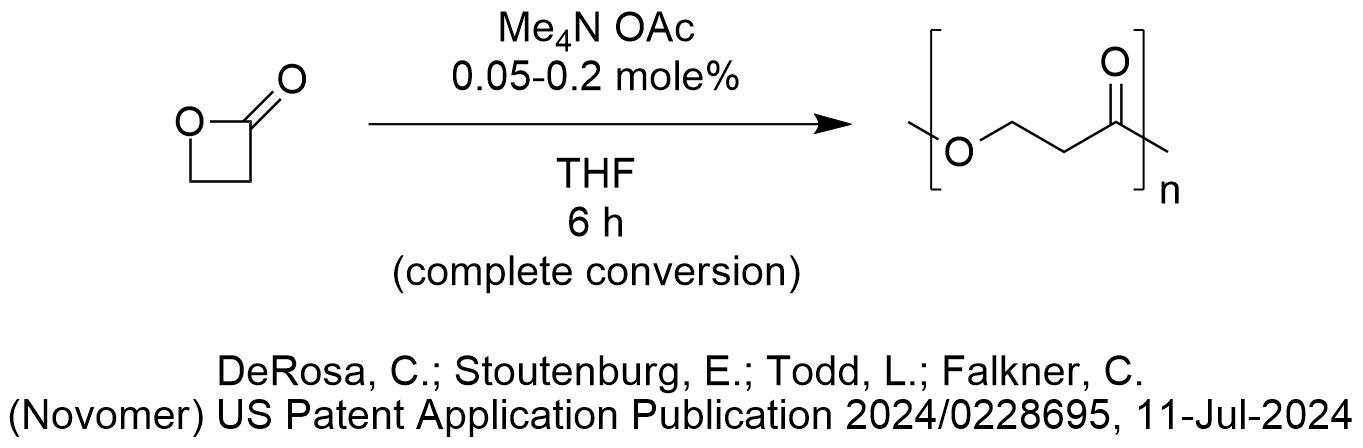
Ten different quat salts, tertiary ammonium salts and phosphazenium salts, mostly acetates and other carboxylates (succinate, citrate, betaine) were screened and found to be effective initiators for the polymerization of β-propiolactone to poly-3-hydroxypropionate.
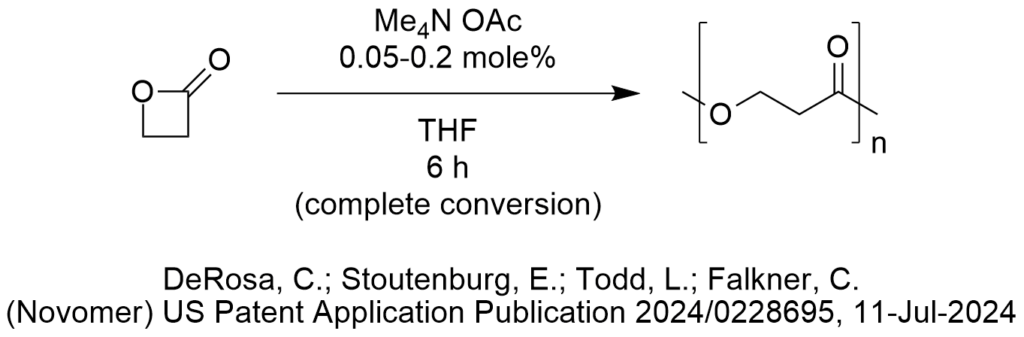
Tetramethylammonium acetate (TMA OAc) showed greater control over the molar mass compared to longer chains such as tetrabutylammonium. TMA OAc also showed full beta-lactone conversion in less than 6 hours in both THF and MTBE as solvents. This was achieved with molar ratios of beta-lactone to TMA OAc of 500:1 and even 2,000:1.
Beta-propiolactone is a highly reactive chemical and reactions are performed in solvent to mitigate potential intense exotherms from the enthalpy of ring opening of the 4-membered ring ester monomer.
It is thought that acetate mitigates side reactions and this is evidenced by huge differences in molar mass when using DBUH OAc versus DBU at high monomer to initiator levels.
This polymerization in THF is likely not phase-transfer catalysis since TMA OAc is likely soluble in the THF-monomer mixture. It is not clear if TMA OAc is soluble in the MTBE-monomer system. The poly-3-hydroxypropionate polymer precipitates from the reaction solution, so the system is heterogeneous.
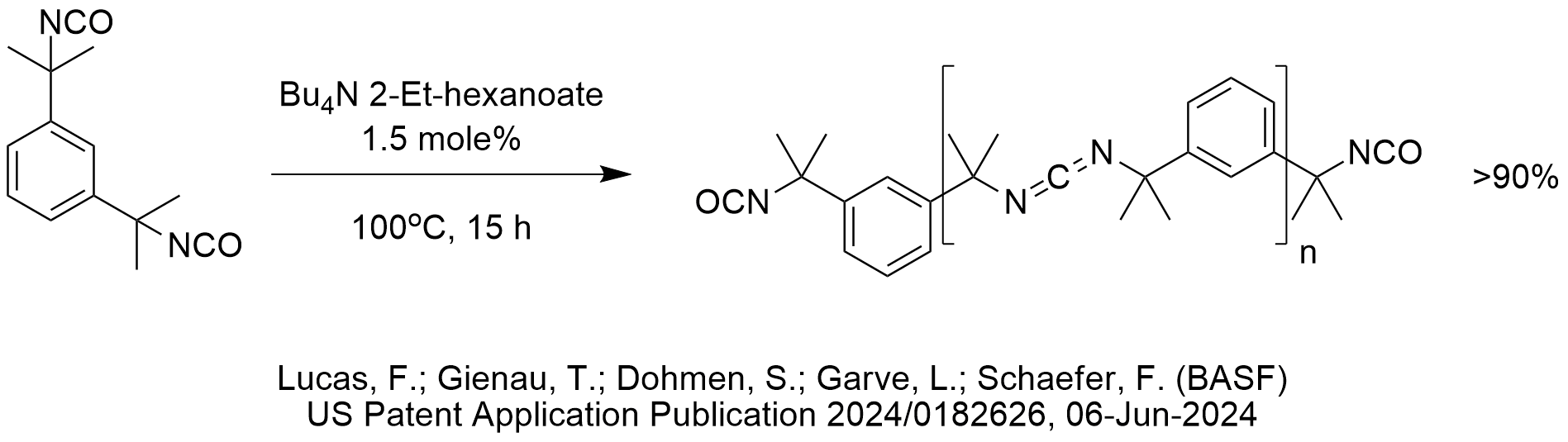
The preparation of specialty quat carboxylates is described in this month’s PTC Catalyst of the Month. The procedure was reported by the inventors at BASF who used the quat carboxylates to catalyze the reaction of TXMDI diisocyanate to polycarbodiimide.
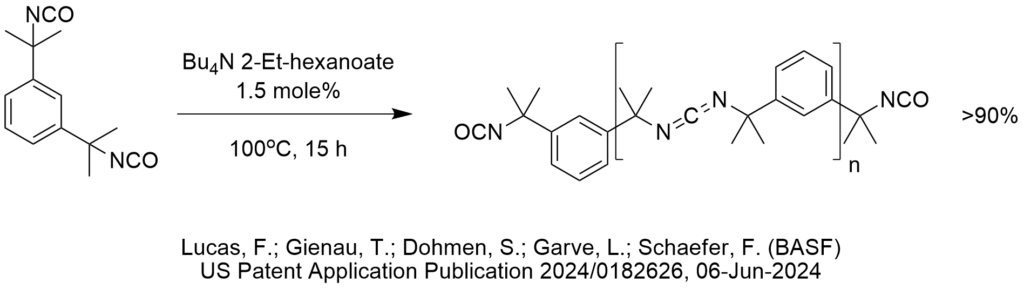
It is reasonable to assume that quat carboxylates were chosen in order to enhance the solubility of the carboxylate in the isocyanate phase. Three quat carboxylate salts were prepared and used for the reaction. They were tetrabutylammonium 2-ethylhexanoate, tetramethylammonium 2-ethylhexanoate and methyl tributyl ammonium 2-ethylhexanoate. We are guessing (but don’t know), that the combination of availability and cost of methyl tributyl ammonium chloride as the starting material for the quat 2-ethylhexanoate salt plus the 13 carbon atoms of this quat versus only four carbon atoms for tetramethyl ammonium might be a good compromise for effective catalytic properties. Tetrabutylammonium chloride is a more expensive starting material, whereas tetrabutylammonium bromide would be 10 times more difficult to be used for the ion exchange to the carboxylate (see explanation in this month’s PTC Catalyst of the Month).
The carboxylate-catalyzed conversion of isocyanate to carbodiimide involves the following mechanism:
Nucleophilic Attack: The carboxylate anion acts as a nucleophile and attacks the carbon atom of the isocyanate group forming a tetrahedral intermediate. This intermediate has a negatively charged oxygen atom and a positively charged nitrogen atom.
Rearrangement and Elimination: The intermediate undergoes rearrangement. The negatively charged oxygen atom pushes back to reform the carbonyl group, leading to the elimination of a molecule of carbon dioxide and forming an isocyanate anion intermediate.
Formation of Carbodiimide: The isocyanate anion intermediate then undergoes rearrangement. The lone pair on the nitrogen attacks the carbon of the original isocyanate group, leading to the formation of carbodiimide.
In summary, the carboxylate anion acts as a catalyst by first attacking the isocyanate to form a reactive intermediate. A quat carboxylate is a better candidate to solubilize the carboxylate in the isocyanate phase than an alkali metal carboxylate. The reactive intermediate then loses carbon dioxide and rearranges to form the carbodiimide product. The catalytic cycle is completed with the regeneration of the carboxylate anion.
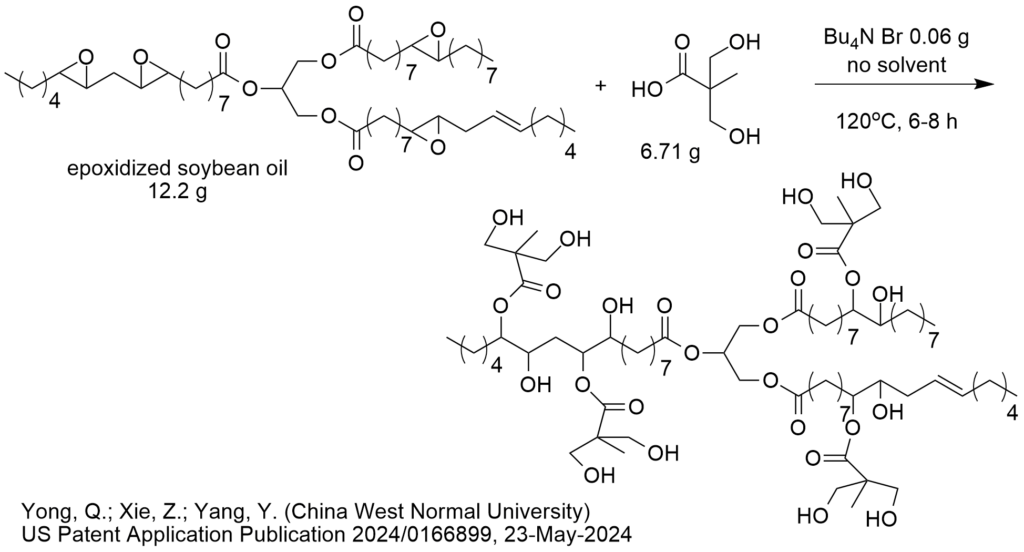
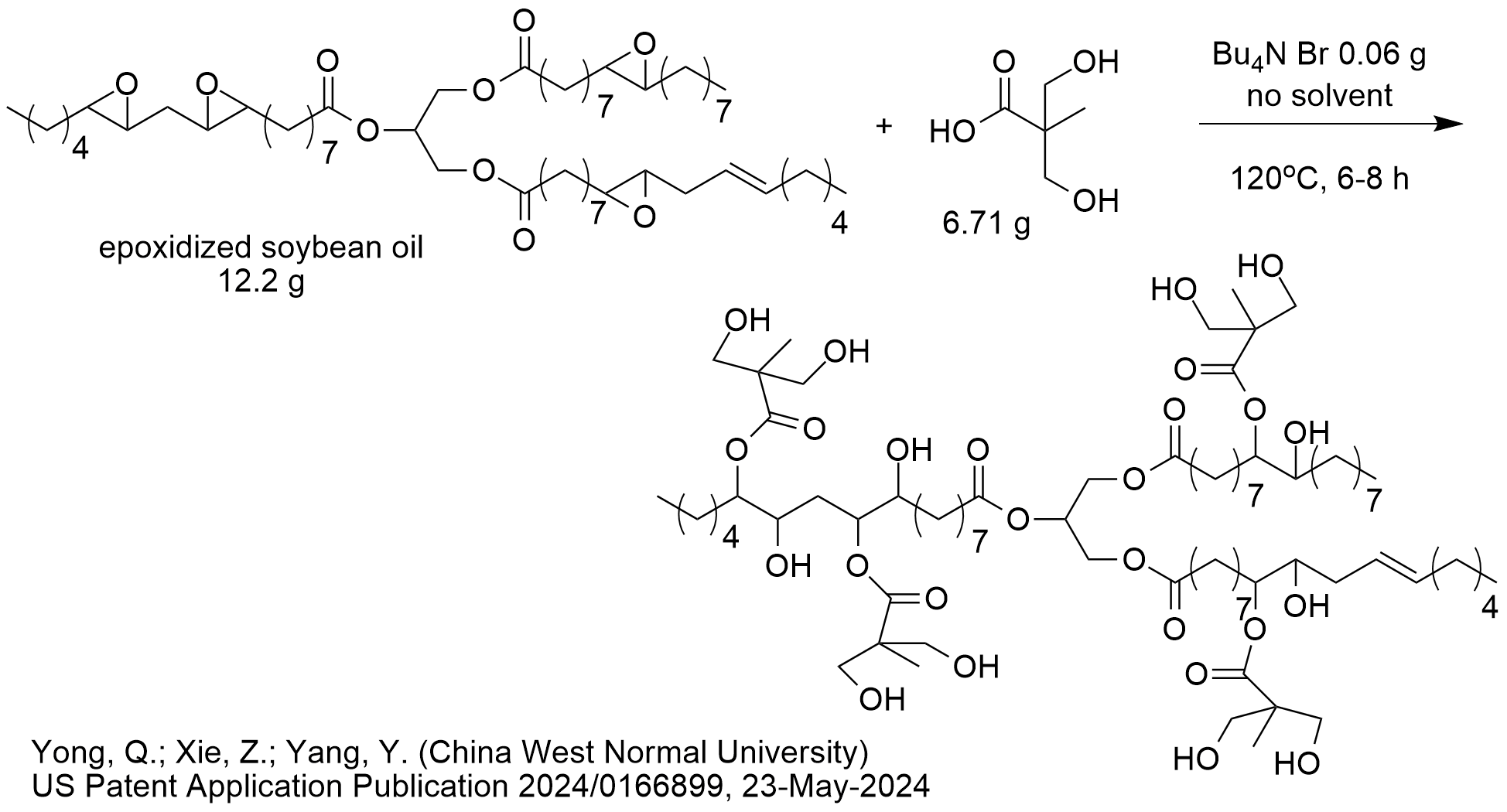
Quat bromides are often used as a source of organic-soluble bromide to catalytically open epoxides for the purpose of attack by alcohols. In the reaction shown in the diagram, the quat bromide is used to catalyze the ring opening of an epoxide for the purpose of esterification. This esterification reaction with an epoxide catalyzed by TBAB is not commonly seen in the literature.
We wonder about the mechanism of this esterification. One possibility is that bromide of tetrabutylammonium bromide (TBAB) attacks the epoxide to open the ring and form a 1-bromo-2-alkoxy anion (bromohydrin anion). The basic alkoxy anion could deprotonate the acidic carboxylic acid of the 2,2-bishydroxylmethyl propionic acid to form the substituted propionate anion. This carboxylate anion could displace the bromide to form the ester and regenerate the free bromide anion for another catalytic cycle. The high temperature of 120 deg C is likely sufficient to induce a successful attack of the carboxylate anion on the C-Br. During the time that the bromide is covalently bound to the carbon, the quat would be free to pair with the carboxylate to perform a classical PTC esterification.
Is this a plausible mechanism, especially in the absence of a base? Do you have any better ideas of how this reaction is catalyzed by TBAB?
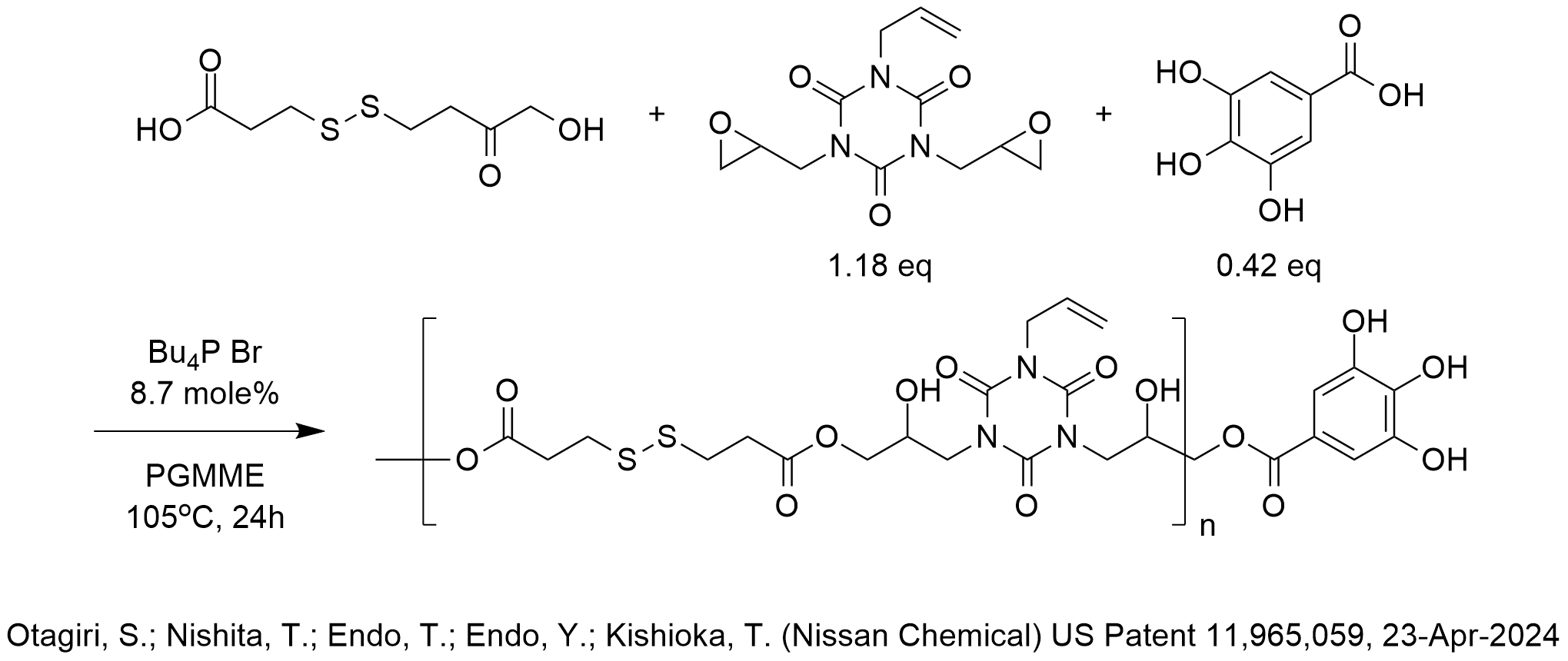
Tetrabutylphosphonium bromide (TBPB) was used to catalyze several polyesterifications of 3,3’ dithiopropionic acid with four different diepoxides and using gallic acid to terminate the polymer/oligomer.
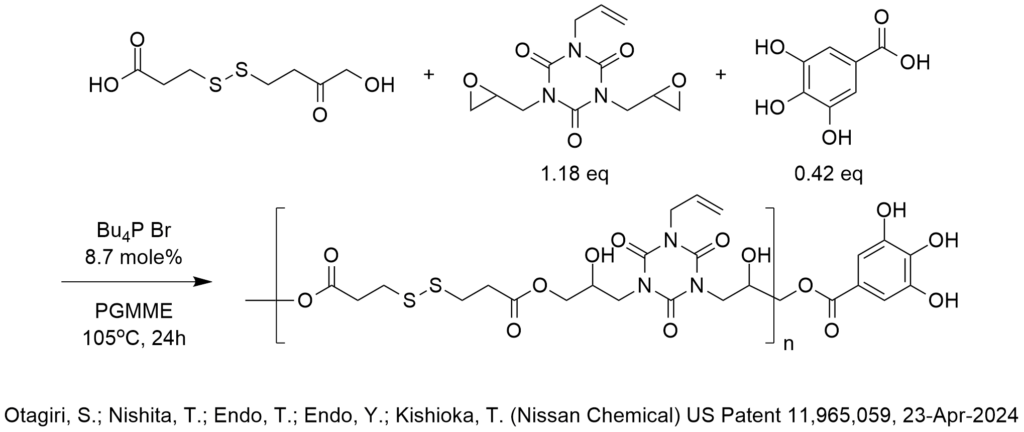
We speculate that TBPB was chosen for several reasons. The first is that TBPB provides an organic- soluble source of bromide (not classical PTC) that initiates the ring opening of the epoxide that facilitates the esterification with the acid. A second reason is that the reaction undergoes significant heat history at 105 deg C over 24 hours in all four polyesterifications and quaternary ammonium salts, such as TBAB, are not as stable as quaternary phosphonium salts such as TBPB. Of course, “P-quats” are more expensive then “N-quats”, so it is beneficial to choose a P-quat that is not overly expensive. TBPB has a lower molecular weight than other P-quats, so the cost per mole of P-quat might be acceptable.
The polymers appear to have weight average molecular weights that represent 4-6 repeat units, so these may be considered to be oligomers depending on how you define oligomers versus polymers.
These polyesters are useful in protective films for the lithography process in the production of semiconductor chips.
Peter Wuts (https://petergmwuts.com), André Stoller and Bryce Assink helped us understand this reaction sequence that looks as if it is a deoxygenation reaction. Peter, André and Bryce are long time loyal readers of the PTC Tip of the Month newsletter who participated in our 2-day course “Industrial Phase-Transfer Catalysis” in the early 2000’s.
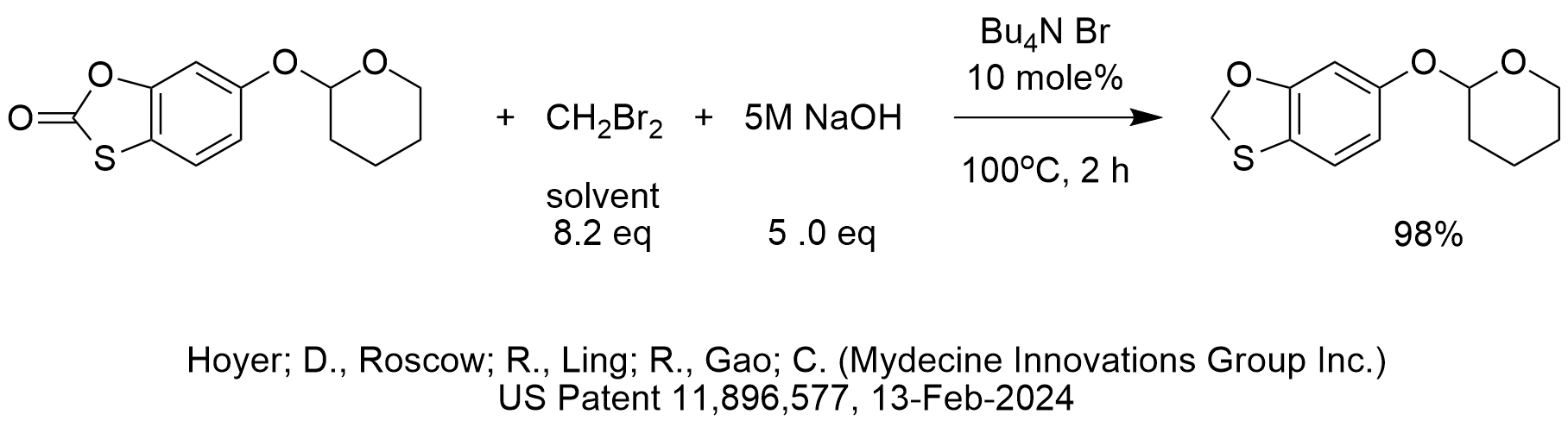
Tetrabutylammonium bromide is used as the phase-transfer catalyst to “deoxygenate” in very high yield a [1,3]oxathiol-2-one using dibromomethane (also used as solvent) and base.
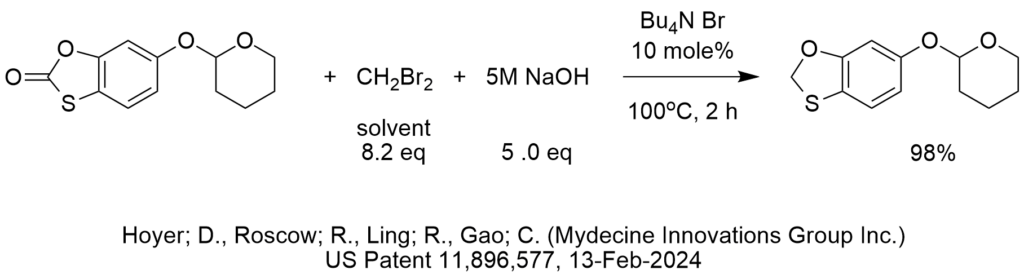
Our loyal readers pointed out that of the [1,3]oxathiol-2-one is a cyclic monothiocarbonate and as such it is sensitive to hydrolysis, especially in the presence of base. Once the carbonyl is attacked and the ring opened, the sulfide anion reacts with dibromomethane to form the bromomethyl thioether. After decarboxylation of the newly formed carbonate anion, the remaining phenoxide oxygen attacks the bromomethyl group to close the ring.
In other words, the ring is not directly “deoxygenated.” In fact, the methylene carbon in the 1,3-oxathiolane ring is sourced from the dibromomethane.
Please be aware that when PTC-NaOH conditions are used in the presence of dichloromethane, formaldehyde can be formed which is a safety concern. Under such conditions, dichloromethane is hydrolyzed to chloromethanol that liberates HCl to form formaldehyde. In this case, since 5M NaOH was used as base, it likely was not strong enough to form formaldehyde from dibromomethane.
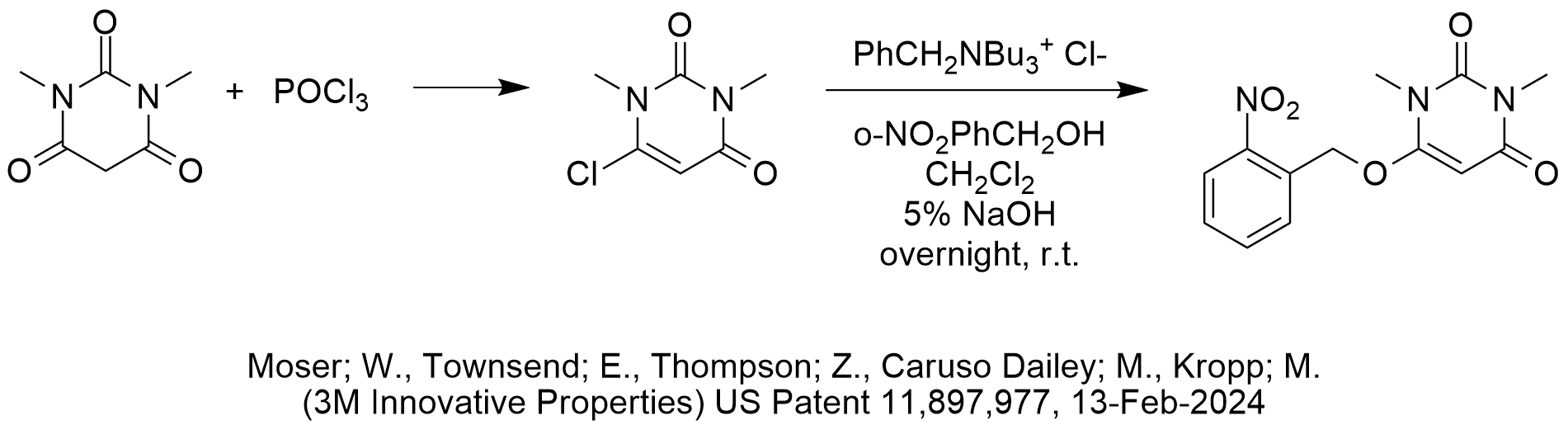
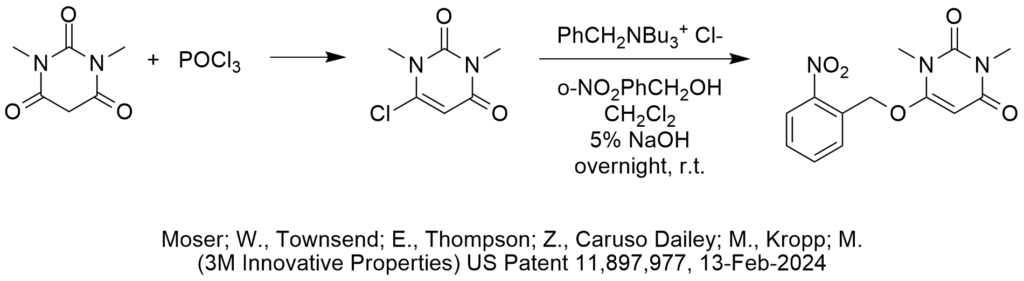 There are two important points regarding the choices for the reaction conditions for the second reaction shown in the diagram which is obviously a PTC nucleophilic substitution. In this etherification, 1.5 equiv o-nitrobenzyl alcohol were reacted with N,N-dimethyl chlorouracil in the presence of 5 equiv NaOH diluted to 5% in water, methylene chloride as the solvent and 10 mole% benzyl tributylammonium chloride as the phase-transfer catalyst. The yield over two steps was 70% and the yield of the second step was 78% (based on the N,N-dimethyl barbituric acid).
One point is that when benzyl quats are used as phase-transfer catalysts in nucleophilic substitutions, the benzyl quat competes as an alkylating agent with the intended electrophilic substrate being attacked. In other words, whenever using a quat such as benzyl triethyl ammonium or benzyl tributyl ammonium, you must consider whether you will unintentionally form benzylated side products from the nucleophile.
We speculate that in this case, the avoidance of high temperature was keeping the benzylation of the nitrobenzyl alcohol low. The nitrobenzyl alcohol is used in excess and perhaps that masks some of the benzyl ether formation. Working at room temperature may be the cause for the long reaction time.
We usually prefer to avoid using benzyl quats in PTC nucleophilic substitutions. We discuss this in more detail in our 2-day course “Industrial Phase-Transfer Catalysis.”
A second point is that phase-transfer catalysis enhances the reaction between methylene chloride and NaOH to produce formaldehyde. We speculate that the high dilution of the NaOH may have been chosen to minimize formaldehyde formation and possibly also hydrolysis of the chlorouracil. We are somewhat surprised that the dilution of 4 g NaOH in 80 mL water afforded a base strong enough to perform the desired etherification, but the high yield is proof that these reaction conditions work.
A patent application was published this month (Myers, J. (Blue Chip IP) US Patent Application Publication 2024/0018073, 18-Jan-2024) that uses PTC for dehydrochlorination. As will be explained below, we speculate that Aliquat 336 (trademark of BASF) was chosen as the phase-transfer catalyst for two reasons: [1] since Aliquat 336 has negligible partitioning into the aqueous phase with high ionic strength, this particular phase-transfer catalyst will not contaminate aqueous waste streams and will be removed with heavy distillation fractions for incineration and [2] since Aliquat 336 is very effective for PTC dehydrochlorination, it is effective at low levels such as 0.4-0.6 weight% as described in the examples.
First, let’s discuss the background for this PTC dehydrochlorination.
Chloroalkenes are useful intermediates in pharmaceuticals, agrochemicals and other organic chemicals. They are produced by dehydrochlorination of chloroalkanes. Polychloropropenes are particularly useful and produced by dehydrochlorination of polychloropropanes that in turn are produced by a telomerization process between carbon tetrachloride and ethylene that uses metal catalysts such as ferric chloride and promoters such as tributyl phosphate.
During separation of the various polychloropropane isomers after the telomerization process, there are light fractions and heavy fractions. The ferric chloride metal catalyst and the tributyl phosphate promoter are carried forward in the heavy fractions. However, the heavy fractions still contain valuable polychloropropanes, especially 1,1,1,3-tetrachloropentane (HCC-250fb) or 1,1,1,3,3-pentachloropropane (“HCC-240fa”) that together comprise more than 80% by weight of the heavy fractions.
The heavy fraction is dehydrochlorinated in the presence of 0.4-0.6 wt% Aliquat 336 (relative to the total weight of the heavy fraction) in the presence of 13.7% aqueous NaOH for 3.7 hours at 62-68 deg C. The trichloropropenes and tetrachloropropenes can be separated by distillation leaving the final heavies that contain the metal catalyst, the promoter and the Aliquat 336. This final heavy fraction is then sent to incineration.
We speculate that lower molecular weight quat salts such as methyl tributyl ammonium chloride or tetrabutyl ammonium chloride (formed from tetrabutyl ammonium bromide that would cause bromide contamination of the product) would distribute to some degree into the aqueous waste stream and require additional costly waste treatment.
The inventors wanted to prove that the Aliquat 336 was an effective phase-transfer catalyst. They subjected pure 1,1,1,3,3-pentachloropropane to 19.4% aqueous NaOH for 1.5 hours at 66 deg C without PTC and observed 1.3% dehydrochlorination. They then added 0.64 weight% Aliquat 336 to the mixture and after 3 hours at 65 deg C, they observed more than 60% conversion.
This patent application reinforces what we teach in our 2-day course “Industrial Phase-Transfer Catalysis” which is that Aliquat 336 is chosen for PTC reactions that need a combination of high reactivity and separation by certain methods including distilling the product, recrystallizing the product, extracting the product into water and other separation methods that require the phase-transfer catalyst to avoid significant distribution into an aqueous waste stream.
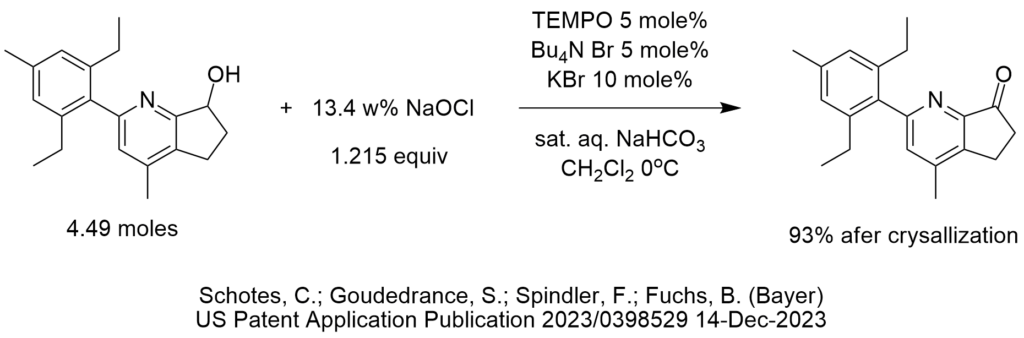
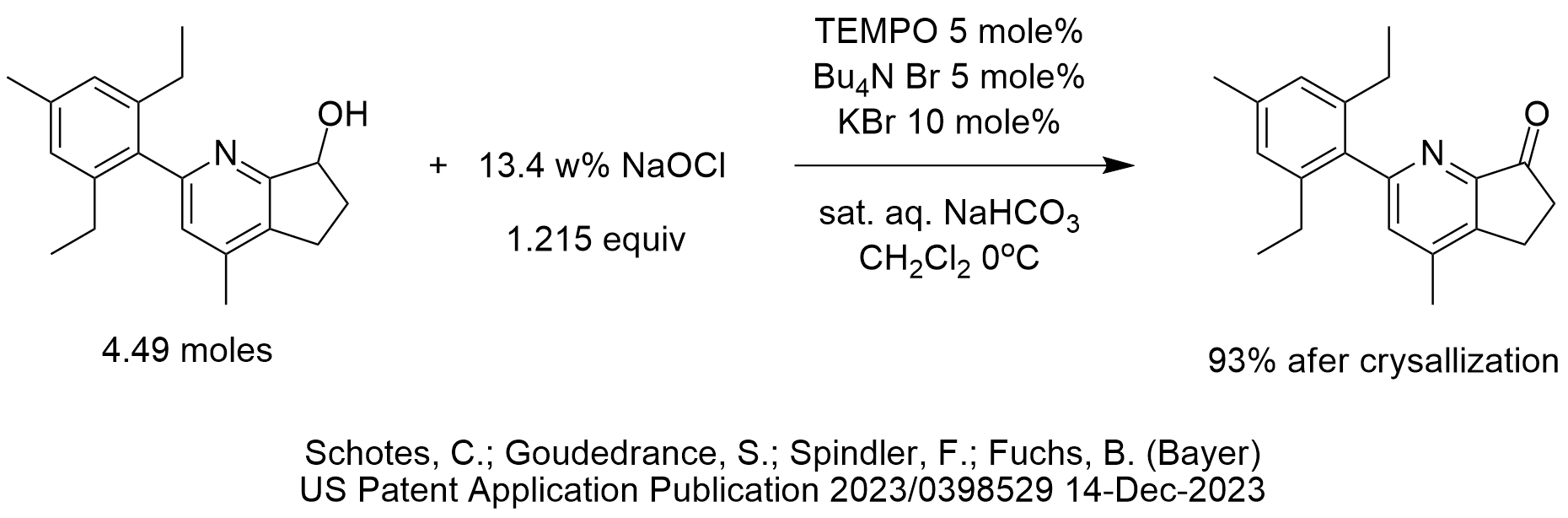
PTC has been reported for several oxidations using TEMPO (2,2,6,6-tetramethyl-1-piperidinyloxy, free radical). In such oxidations, TEMPO is used catalytically and the phase-transfer catalyst is used to transfer the stoichiometric oxidant to regenerate the active TEMPO oxidant. In this case, the oxidant is hypochlorite used in 21.5 mole% excess. The reaction was performed until full conversion of starting material was observed by HPLC (in-process control).
The inventors also reported the use of silica-supported TEMPO and polystyrene-supported TEMPO.
The mechanism for TEMPO oxidation: https://www.organic-chemistry.org/chemicals/oxidations/tempo-2,2,6,6-tetramethylpiperidinyloxy.shtm
The purpose of synthesizing the ketone was to serve as a starting material for the asymmetric transfer hydrogenation of the substituted bicyclic pyridine ketone in presence of a chiral ruthenium catalyst.
In the past, we described PTC oxidations with TEMPO in the following examples.
http://phasetransfercatalysis.com/ptc_tip/ptc-oxidation-with-hypochlorite-and-hydroxy-tempo/
http://phasetransfercatalysis.com/ptc_tip/ptc-tempo-hypochlorite-oxidation/
http://phasetransfercatalysis.com/ptc_tip/combining-ptc-with-high-shear/